
Views: 0 Author: Site Editor Publish Time: 2025-09-30 Origin: Site


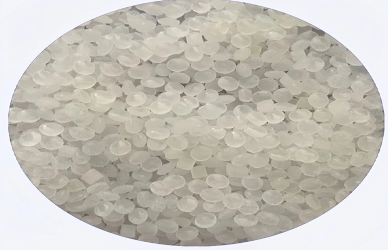
Cables are the backbone of modern electrical systems, transmitting power and signals across residential, commercial, and industrial networks. The insulation compound for cable plays a critical role in protecting these cables, preventing electrical leakage, and ensuring reliable performance over time. Selecting the right insulation compound is essential not only for safety but also for efficiency, durability, and compliance with industry standards. Understanding the key factors in choosing the appropriate insulation compound helps ensure that cables perform optimally in their intended applications, whether in low-voltage household wiring or high-voltage industrial systems.
Low-voltage systems typically operate up to 0.6/1kV and are common in residential, commercial, and light industrial settings. The insulation compounds used in these systems, such as PVC or standard XLPE, are selected for flexibility, cost-effectiveness, and ease of installation. These compounds provide adequate protection for household wiring, office equipment, and low-voltage distribution networks while maintaining safety and durability.
High-voltage systems operate from 1kV up to 110kV and beyond, requiring insulation compounds with high dielectric strength, excellent heat resistance, and aging stability. Materials such as high-purity XLPE, specialty polymers, and composites are commonly used. These compounds are crucial for applications in power transmission lines, substations, and industrial power grids, where reliability and safety are critical under extreme electrical and environmental conditions.
The choice of insulation compound must align with the system’s voltage level, environmental conditions, and operational demands. For instance, a compound used in outdoor high-voltage transmission lines must withstand temperature fluctuations, UV exposure, and mechanical stress, while low-voltage indoor wiring prioritizes flexibility and affordability. Selecting the right material ensures optimal performance, safety, and longevity across diverse applications.
Insulation compounds for cable must be capable of withstanding the maximum operating temperatures encountered in the electrical system. Materials such as XLPE (cross-linked polyethylene) and other specialty polymers provide significantly higher thermal limits compared to standard PVC, allowing cables to operate safely even under elevated temperatures. These advanced compounds prevent overheating, maintain insulation integrity, and reduce the risk of thermal breakdown in demanding conditions.
Using a compound with strong thermal performance directly influences the service life and reliability of the cable. High-quality thermal insulation reduces the risk of degradation caused by heat, chemical reactions, or electrical stress. It ensures that the cable maintains consistent electrical properties over time, which improves system reliability, reduces unexpected failures, and minimizes maintenance requirements, contributing to overall operational efficiency.
For applications exposed to high ambient temperatures, continuous heat, or heavy current loads, it is essential to select compounds specifically rated for enhanced thermal stability. Such materials help cables maintain insulation integrity, prevent overheating or electrical failures, and ensure compliance with industry and safety standards. Proper selection also mitigates risks associated with fire hazards, insulation breakdown, and downtime, making thermal performance a critical factor in the design and deployment of both high-voltage and low-voltage systems.

Dielectric strength measures a cable insulation compound’s ability to resist electrical breakdown under high voltage. Higher dielectric strength reduces the risk of short circuits, leakage, or insulation failure.
Materials like XLPE, PE, and specialty polymers offer superior dielectric properties compared to standard PVC. Selection depends on voltage level, environmental conditions, and expected electrical stress.
In high-voltage systems, using compounds with adequate dielectric strength is critical to protect personnel, equipment, and the overall power system. Proper selection ensures compliance with industry standards (IEC, IEEE) and long-term operational reliability.
Insulation compounds for cables must be able to withstand exposure to moisture, ultraviolet (UV) radiation, oils, and various chemicals without losing their insulating properties. Moisture can cause swelling or electrical leakage, while UV exposure may lead to cracking or surface degradation over time. Oils and chemicals in industrial environments can also deteriorate certain materials. Using compounds such as XLPE, PVC, or specialty polymers ensures superior resistance and maintains the cable’s performance in challenging conditions.
The choice of insulation compound largely depends on whether the cable is installed indoors or outdoors. Indoor cables are generally shielded from direct sunlight and harsh weather, so they may only need basic resistance to moisture and chemicals. Outdoor cables, however, must resist extreme temperature variations, UV radiation, precipitation, and airborne pollutants. Selecting the appropriate compound ensures that cables function safely and reliably over their expected lifespan.
Cables exposed to corrosive or extreme environments require insulation that can endure long-term stress without degradation. High-quality chemical- and environment-resistant compounds enhance durability, reduce the need for frequent maintenance or replacements, and prevent operational downtime. By choosing the right insulation material, businesses can ensure that their electrical systems remain safe, reliable, and cost-effective, even in demanding industrial or outdoor settings.
When selecting an insulation compound for cable, it’s essential to balance performance requirements with budget constraints. High-performance compounds like XLPE or specialty polymers may cost more upfront but provide better thermal stability, chemical resistance, and longevity, reducing long-term operational risks. Lower-cost materials, such as standard PVC, may be sufficient for low-voltage or indoor applications where environmental stress is minimal.
The ease of sourcing the chosen insulation compound also affects project timelines and costs. Widely available compounds ensure faster procurement, easier replacements, and less dependency on specialized suppliers. In contrast, rare or custom compounds might involve longer lead times, import fees, or supply chain challenges.
Beyond the initial purchase price, consider the total cost of ownership, which includes maintenance, repairs, replacements, and potential downtime. Investing in a high-quality, readily available insulation compound can reduce maintenance frequency, extend cable life, and lower replacement costs, ultimately providing better value over the lifespan of the cable system.
Selecting the right insulation compound for cable is a critical step in ensuring the safety, reliability, and performance of electrical systems. The choice of compound affects not only the longevity and efficiency of the cables but also the overall safety of the equipment and the people using it. Key factors, including voltage level, thermal performance, dielectric strength, chemical and environmental resistance, and cost and availability, must all be carefully evaluated to make the most suitable choice.
Matching the insulation compound’s properties to the specific application is essential. For example, high-voltage systems require materials with exceptional dielectric strength and heat resistance, while low-voltage or household wiring may prioritize flexibility and cost-efficiency. Similarly, cables exposed to harsh environments need compounds resistant to moisture, UV, oils, and chemicals to prevent premature degradation.
Considering cost and availability is also crucial, as the total cost of ownership goes beyond the initial purchase and includes maintenance, replacement, and potential downtime costs. By carefully analyzing all these factors, businesses can ensure compliance with industry standards, maximize cable lifespan, reduce maintenance expenses, and improve overall system performance.
Ultimately, a well-informed choice of insulation compound for cable supports long-term operational reliability, safety, and efficiency, making it a strategic investment for any organization that relies on electrical systems.


