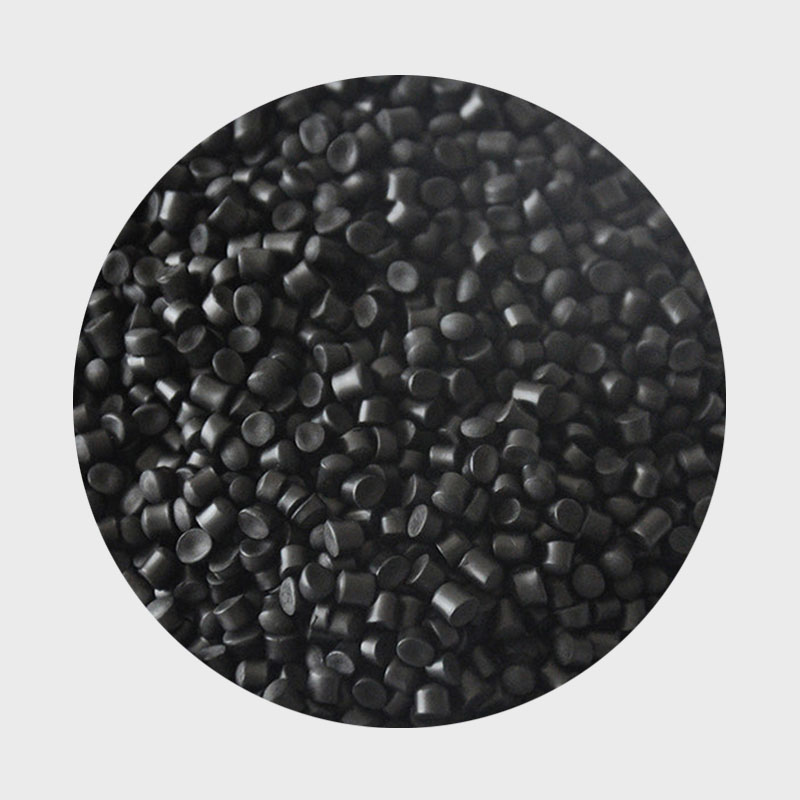
Power transmission operates in a high-stakes reality. Insulation failure often leads to catastrophic grid downtime. It triggers severe safety hazards and heavy regulatory penalties. You cannot treat insulation material selection as a simple commodity purchase. Instead, view it as a critical risk-management decision. It fundamentally dictates the reliability and safety of your entire infrastructure. High voltage networks require flawless operational continuity to function properly.
This article moves beyond basic material properties. We evaluate how specific formulations govern thermal, electrical, and mechanical resilience. Operating in demanding environments requires precise material science. You will learn to navigate these technical nuances. We will cover thermal stability limits, application matching, and manufacturing impacts. Understanding these factors ensures long-term operational success for complex energy grids.
Key Takeaways
Lifecycle Economics: Premium XLPE insulation compounds directly minimize dielectric losses and extend asset lifespan beyond 30+ years.
Thermal & Electrical Margins: The right compound formulation ensures stable operation at 90°C continuous loads and withstands emergency overloads up to 130°C without structural degradation.
Application-Specific Matching: Evaluating between standard, Water-Tree Retardant (TR-XLPE), and specialty halogen-free grades is essential for meeting distinct urban, industrial, and high-voltage (HV) infrastructure demands.
Manufacturing Impact: Cable performance relies heavily on compound purity, scorch resistance during extrusion, and optimized degassing times.
Framing the Baseline: How Compound Purity Dictates Cable Lifespan
The Cost of Contamination
Microscopic impurities severely threaten cable integrity. Moisture introduced during compounding creates structural weak points. These defects cause stress enhancements within the polymer matrix. Over time, electrical treeing develops around these micro-voids. This phenomenon eventually causes premature dielectric breakdown. Network operators face massive disruptions when insulation fails unexpectedly. You must prioritize absolute purity to prevent these catastrophic faults. Contaminated batches inevitably lead to unplanned outages. Cable degradation accelerates rapidly once electrical treeing initiates.
Success Criteria for Specifiers
Specifiers must define strict baseline expectations for high-performance materials. You should demand ultra-low contamination levels. Consistent cross-linking density across every batch is non-negotiable. It guarantees uniform electrical properties along the entire cable length. Verifiable batch-to-batch homogeneity acts as the ultimate quality benchmark. Engineers rely on these metrics to predict long-term grid stability. Standardized testing confirms the material meets these exacting standards. Quality assurance protocols must trace purity from raw resin to final extrusion.
ROI vs. Upfront Cost
Standard-grade materials might offer slight initial savings. However, these savings quickly evaporate during premature cable failures. Excavating and replacing underground lines requires massive capital. Network outages severely damage operational reputation. Investing in premium formulations yields substantial returns through extended uptime. High-quality compounds significantly reduce long-term maintenance cycles. You secure a much stronger return on investment by prioritizing durability. The true value lies in uninterrupted power delivery over decades.
Core Evaluation Dimensions for XLPE Insulation Compounds
Evaluating Thermal Stability and Overload Capacity
Continuous operational limits define system reliability. High-quality XLPE Insulation Compounds support continuous loads at 90°C. They also endure short-circuit temperature thresholds up to 250°C. This massive thermal margin prevents immediate catastrophic failure during surges. Thermo-oxidative stability prevents premature material aging in high-load systems. Industrial energy grids demand this level of thermal endurance. Oxidation degrades polymer chains, making them brittle. Advanced antioxidants in the formulation prevent this degradation. You can safely operate grids closer to their maximum capacity.
Assessing Dielectric Strength and Electrical Integrity
Minimizing the dissipation factor (tan delta) remains crucial. Lower tan delta values reduce energy losses over long transmission distances. This efficiency directly impacts overall grid performance. You must evaluate the volume resistivity of the chosen formulation. It needs to maintain high insulation resistance under continuous electrical stress. Consistent dielectric strength prevents leakage currents. These currents otherwise drain system efficiency and generate excess heat. Specifiers heavily scrutinize these electrical metrics before approving new materials.
Validating Mechanical Toughness and Installation Resiliency
Cables face brutal conditions during installation. Excellent mechanical toughness ensures they survive these harsh environments. Abrasion resistance protects the core when pulling lines through rough conduits. High tensile strength prevents the cable from snapping under tension. Proper elongation properties allow the cable to bend without cracking. Direct burial applications subject cables to heavy soil pressure. Rocks and debris threaten to puncture weak insulation layers. A resilient compound absorbs these mechanical shocks efficiently.
Compound Performance Summary Chart
Property Evaluated
Standard Grade
TR-XLPE Grade
Specialty HFFR Grade
Moisture Resistance
Moderate
Exceptional
Good
Flame Retardancy
Low
Low
Exceptional (Zero Halogen)
Dielectric Loss (Tan Delta)
Very Low
Very Low
Low to Moderate
Primary Application
Dry Underground / Aerial
Wet Underground Urban Grids
Enclosed Industrial Spaces
Matching the Compound Formulation to the Application Scenario
Medium Voltage (MV) vs. High Voltage (HV) Requirements
HV and Extra-High Voltage (EHV) cables demand super-clean materials. They require stringent degassing protocols to remove volatile byproducts. The intense electrical stress in HV lines magnifies any minor defect. MV networks often prioritize installation flexibility and overall efficiency. These medium-voltage systems operate under lower electrical stress. Therefore, highly purified standard formulations often suffice. Manufacturers tailor the cross-linking process to match these distinct voltage classes. Precise engineering ensures the material perfectly matches the voltage stress.
Urban and Substation Environments
Underground urban grids face constant moisture exposure. Water-Tree Retardant (TR-XLPE) compounds are essential here. Moisture ingress creates water trees inside standard polymer structures. These trees slowly degrade the dielectric strength over years. TR-XLPE contains specialized additives inhibiting this growth effectively. Using standard materials in wet environments guarantees eventual failure. Urban substations rely on these robust formulations to maintain consistent service. They provide the necessary defense against subterranean water accumulation.
Industrial and Enclosed Spaces
Fire safety dominates material selection in enclosed industrial spaces. Regulations mandate the use of Halogen-Free Flame Retardant (HFFR) systems. Traditional polymers release toxic smoke and corrosive gases during fires. HFFR materials prevent these dangerous emissions entirely. They offer low smoke generation, aiding evacuation efforts. Strict toxicity regulations dictate this transition away from halogenated plastics. Facilities prioritize human safety and equipment protection through smart material choices.
Key HFFR Compliance Factors:
Zero Halogen Content: Ensures no toxic acid gases release during combustion.
Low Smoke Emission: Maintains visibility for emergency evacuation routes.
Self-Extinguishing Properties: Prevents fire propagation along the cable tray network.
Thermal Endurance: Maintains operational integrity near heavy industrial heat sources.
Implementation Realities: Manufacturing Risks and Quality Control
Extrusion and Scorch Resistance
Manufacturers face constant risks during the extrusion process. Premature cross-linking, known as scorch, ruins the insulation layer. It creates hardened lumps inside the extruder equipment. Advanced formulations widen the safe processing window significantly. They resist curing until the material enters the vulcanization tube. A longer scorch time allows for smoother, faster extrusion processes. This reduces material waste and ensures a flawless insulation profile. Production efficiency relies heavily on this specific thermal behavior.
The Degassing Bottleneck
The cross-linking process generates methane and other volatile byproducts. Facilities must remove these gases through controlled degassing. Methane trapped inside the cable causes swelling and structural failure. The necessity of degassing heavily impacts facility lead times. Specific material choices dictate how long the cable must sit in degassing chambers. Optimized formulations release these byproducts much faster. This efficiency accelerates production schedules without compromising final structural integrity.
Packaging and Storage Vulnerabilities
Maintaining purity requires extreme vigilance before extrusion begins. Clean-room packaging is absolutely critical for high-voltage grades. Manufacturers ship these materials in moisture-controlled, sealed containers. Exposure to ambient humidity ruins the compound's electrical properties. Storage facilities must maintain strict climate controls. Airborne dust easily contaminates an open octabin or silo. Any handling mistake introduces critical flaws into the final cable. Proper logistics prevent contamination long before the material melts.
Shortlisting Logic and Procurement Next Steps
Vendor Auditing Criteria
Selecting a supplier requires rigorous auditing. You should look for comprehensive ISO certifications first. Analyze historical data regarding batch-to-batch consistency. Consistent historical performance proves manufacturing maturity. Verify financial investments in state-of-the-art compounding clean-rooms. Modern clean-rooms prevent microscopic dust from entering the resin. A reliable vendor openly shares quality assurance procedures. Audits confirm they meet the strict demands of power infrastructure.
Requesting the Right Documentation
Buyers must demand specific, verifiable documentation. Request detailed Type Test reports for the exact formulation. Ask for long-term aging data to prove durability. Accelerated Water Treeing Test (AWTT) results validate moisture resistance claims. Material Safety Data Sheets (MSDS) confirm handling requirements and safety profiles. This paperwork acts as your primary defense against substandard materials. It provides empirical proof of the compound's capabilities. Never accept marketing claims without hard technical data.
Pilot Testing vs. Full Rollout
Never deploy a new formulation across an entire grid immediately. We recommend strict prototyping and qualification testing first. Pilot testing exposes potential extrusion issues on specific equipment. It allows engineers to verify mechanical flexibility and dielectric strength firsthand. Run small-scale trials to validate the manufacturer's technical data. Successful pilot runs build confidence before committing massive capital. This phased approach mitigates the immense risks of large-scale infrastructure deployment.
Conclusion
Specifying these specialized materials stands as a highly strategic decision. It directly binds your overall infrastructure reliability to fundamental material science. Evaluating thermal margins and purity protocols is non-negotiable. Application-specific formulations offer the only verifiable path to minimizing unplanned outages. You must align the chemistry directly with your exact operational environment.
Take immediate action to secure your next project. Encourage your engineering teams to request updated technical data sheets today. Consult application experts to discuss custom formulation requirements. Schedule a comprehensive material audit for all upcoming infrastructure upgrades to guarantee long-term grid stability.
FAQ
Q: What is the difference between standard XLPE and TR-XLPE compounds?
A: TR-XLPE is specifically engineered with advanced additives to inhibit water tree growth. Standard materials lack this chemical defense, making them vulnerable in wet conditions. This resistance makes TR-XLPE essential for underground and high-moisture installations, ensuring long-term dielectric integrity where standard grades would fail.
Q: How do you evaluate XLPE against EPR (Ethylene Propylene Rubber) for power cables?
A: These materials serve different primary needs. Premium XLPE Insulation Compounds generally offer significantly lower dielectric losses. They also provide higher mechanical toughness and abrasion resistance. Conversely, EPR offers superior flexibility, making it easier to install in highly constrained spaces.
Q: What are the storage and handling requirements for XLPE insulation compounds?
A: These materials demand strict climate-controlled environments. You must store them in moisture-free, tightly sealed packaging. Any exposure to ambient humidity or microscopic dust leads to severe contamination. Maintaining this pristine state prior to extrusion is critical to preventing defects in the final cable layer.
Q: Why is scorch time a critical metric when evaluating these compounds?
A: Scorch time defines how long the material can be heated before it begins to cure. Longer scorch times allow for smoother and faster extrusion processes. This prevents premature cross-linking inside the extruder equipment. It ultimately reduces material waste and ensures a perfectly uniform, flawless insulation layer.