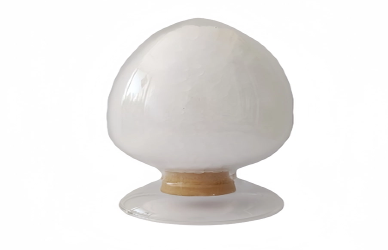
Cable insulation plays a crucial role in ensuring electrical safety and maintaining optimal system performance. It prevents current leakage, protects against short circuits, and shields conductors from environmental damage. In many industries, including construction, manufacturing, and energy, using fire-resistant and durable insulation compounds is essential to reduce the risk of accidents and enhance reliability. High-quality insulation materials not only protect against fire hazards but also extend the operational lifespan of cables, reducing maintenance and replacement costs. Understanding how insulation compounds contribute to fire resistance and durability helps businesses make informed choices for safer and more efficient electrical systems.
Fire Resistance Properties of Insulation Compounds
1.Types of Fire-Resistant Compounds
Different insulation compounds are engineered to enhance fire safety. Common materials include PVC, known for its inherent flame-retardant properties; XLPE (cross-linked polyethylene), which offers higher thermal and fire resistance; and halogen-free materials, which produce less toxic smoke and are environmentally friendlier. Choosing the right material depends on the application and required fire performance level.
2.Standards and Certifications
Fire-resistant insulation compounds are often tested and certified according to international standards. Key certifications include IEC (International Electrotechnical Commission), UL (Underwriters Laboratories), and ISO standards. Compliance ensures that the cables meet rigorous safety requirements, providing confidence for industrial, commercial, and residential installations.
3.Fire-Resistance Mechanisms
These compounds are designed to limit fire risks through mechanisms such as self-extinguishing properties, which stop the cable from continuing to burn once the ignition source is removed. They also feature low smoke emission to improve visibility and reduce toxic exposure in case of fire, and reduced flame propagation, preventing fire from spreading along cable routes. These features collectively enhance overall safety in electrical installations.
Enhancing Mechanical Durability of Insulation Compounds for Cable
1.Resistance to Mechanical Stress
High-quality insulation compounds are formulated to withstand abrasion, impact, and bending stress. This ensures that cables maintain their integrity during installation, handling, and everyday operation, even in demanding conditions.
2.Protection Against Damage
Durable compounds protect cables from cracking, tearing, and deformation over time. By resisting physical wear and external forces, these compounds help prevent insulation failure and maintain consistent electrical performance.
3.Importance for Long-Term Performance
Mechanical durability is critical for long-term cable reliability, particularly in harsh environments such as industrial plants, outdoor installations, or areas with frequent movement and vibration. Robust insulation extends service life, reduces maintenance, and lowers replacement costs, ensuring safe and efficient operation.
Thermal Stability and Aging Resistance of Insulation Compounds for Cable
1.Prevention of Insulation Degradation
Insulation compounds with high thermal stability resist degradation caused by prolonged exposure to heat. Materials like XLPE and specialty polymers maintain their structural integrity even under elevated temperatures, preventing cracks, softening, or deformation.
2.Maintaining Electrical Properties Over Time
Compounds with strong aging resistance preserve key electrical properties such as dielectric strength and insulation resistance. This ensures consistent performance and minimizes the risk of short circuits or failures over the cable’s service life.
3.Benefits for High-Voltage and Continuous-Use Applications
Thermal stability and aging resistance are particularly important for high-voltage systems and environments with continuous operation. Using durable compounds reduces maintenance needs, extends cable lifespan, and ensures reliable performance in demanding industrial or utility applications.

Chemical and Environmental Protection of Insulation Compounds for Cable
1.Resistance to Chemicals and Environmental Factors
High-quality insulation compounds are specifically engineered to provide robust resistance against a variety of chemical and environmental challenges, including moisture, oils, UV radiation, acids, and other corrosive substances. This protective capability ensures that the insulation does not swell, crack, degrade, or lose its dielectric properties when exposed to harsh chemicals or extreme environmental conditions. Such resilience is critical for maintaining the electrical integrity, safety, and performance of cables over time, especially in demanding industrial or outdoor applications.
2.Suitability for a Wide Range of Environments
Insulation compounds with strong chemical and environmental resistance are suitable for a diverse range of settings, from indoor installations in controlled environments to harsh outdoor and industrial conditions. They can withstand high humidity, intense sunlight, temperature fluctuations, chemical spills, and industrial pollutants, ensuring that cables continue to perform reliably. This adaptability makes these compounds ideal for applications such as power plants, manufacturing facilities, chemical plants, outdoor power distribution, and infrastructure exposed to harsh weather.
3.Extending Cable Life and Reducing Maintenance Costs
By effectively shielding cables from environmental and chemical stress, these insulation compounds prolong the overall service life of cables. They minimize insulation degradation, prevent premature failures, and reduce the frequency of maintenance and repairs, which translates to lower operational costs and higher reliability. For industries that rely on uninterrupted power and data transmission, such as energy, telecommunications, and transportation, this enhanced durability ensures consistent performance, safety compliance, and significant long-term cost savings.
4.Supporting Safety and Compliance Standards
In addition to extending cable life, insulation compounds with chemical and environmental protection help meet strict industry standards and regulatory requirements. By resisting degradation from moisture, chemicals, and UV exposure, cables are less prone to short circuits, fires, or mechanical failures, supporting compliance with safety standards such as IEC, UL, and ISO certifications. This ensures that electrical systems remain safe and reliable, even under challenging environmental conditions.
Cost-Effectiveness and Safety Benefits of Insulation Compounds for Cable
1.Reduced Replacement Frequency and Maintenance Costs
High-quality insulation compounds enhance the durability and longevity of cables, reducing the need for frequent replacements or repairs. By resisting mechanical wear, chemical exposure, and environmental degradation, these compounds help maintain cable integrity over extended periods. This lowers maintenance costs, minimizes downtime, and ensures reliable performance, which is especially valuable in industrial, commercial, and critical infrastructure applications.
2.Minimizing Fire Hazards and Improving Workplace Safety
Fire-resistant insulation compounds, such as halogen-free or low-smoke materials, play a crucial role in reducing fire risks. They can self-extinguish, slow flame propagation, and emit minimal smoke, providing enhanced protection for both personnel and equipment. This improves overall workplace safety, ensuring compliance with fire safety regulations and protecting assets in high-risk environments.
3.Long-Term Return on Investment
While high-quality insulation compounds may have a higher initial cost, their long-term benefits outweigh upfront expenses. By combining durability, fire resistance, and environmental protection, they extend cable life, reduce operational interruptions, and lower total cost of ownership. For businesses, investing in premium insulation compounds translates to safer operations, fewer replacements, and significant cost savings over time, offering a clear return on investment.
Conclusion
Insulation compounds for cable play a critical role in enhancing fire resistance, mechanical durability, and overall reliability, ensuring that cables can withstand harsh environments, high temperatures, and potential fire hazards over long periods. Selecting the right insulation compound for specific applications—whether for low-voltage or high-voltage systems, indoor or outdoor installations, or industrial settings—is essential for achieving optimal safety, performance, and efficiency.
For businesses, investing in high-quality insulation compounds goes beyond just protecting cables. It reduces maintenance and replacement costs, prolongs service life, and ensures workplace safety by minimizing fire risks. Additionally, it helps meet stringent industry standards and regulatory requirements, providing peace of mind and operational compliance. By carefully evaluating the technical, environmental, and operational requirements of their systems, companies can secure long-term cost savings, improved operational efficiency, and enhanced protection for both personnel and critical infrastructure, making the choice of insulation compound a strategic investment in safety, reliability, and performance.