Electromagnetic interference (EMI) and radio-frequency interference (RFI) have long been persistent challenges in modern electronic and communication systems. As industries evolve toward more compact, high-performance, and interconnected technologies, the need for robust EMI/RFI shielding becomes paramount. One of the most effective yet underappreciated solutions lies in the use of shielding compound materials. These specialized materials serve as the invisible armor that protects sensitive circuits from electromagnetic disruption.
In this article, we’ll explore the top benefits of shielding compound materials and explain why they are critical in EMI and RFI protection. Whether you're involved in cable manufacturing, telecommunications, automotive electronics, or aerospace engineering, understanding these materials can directly impact product integrity and long-term performance.
Understanding Shielding Compound Material and Its Core Functions
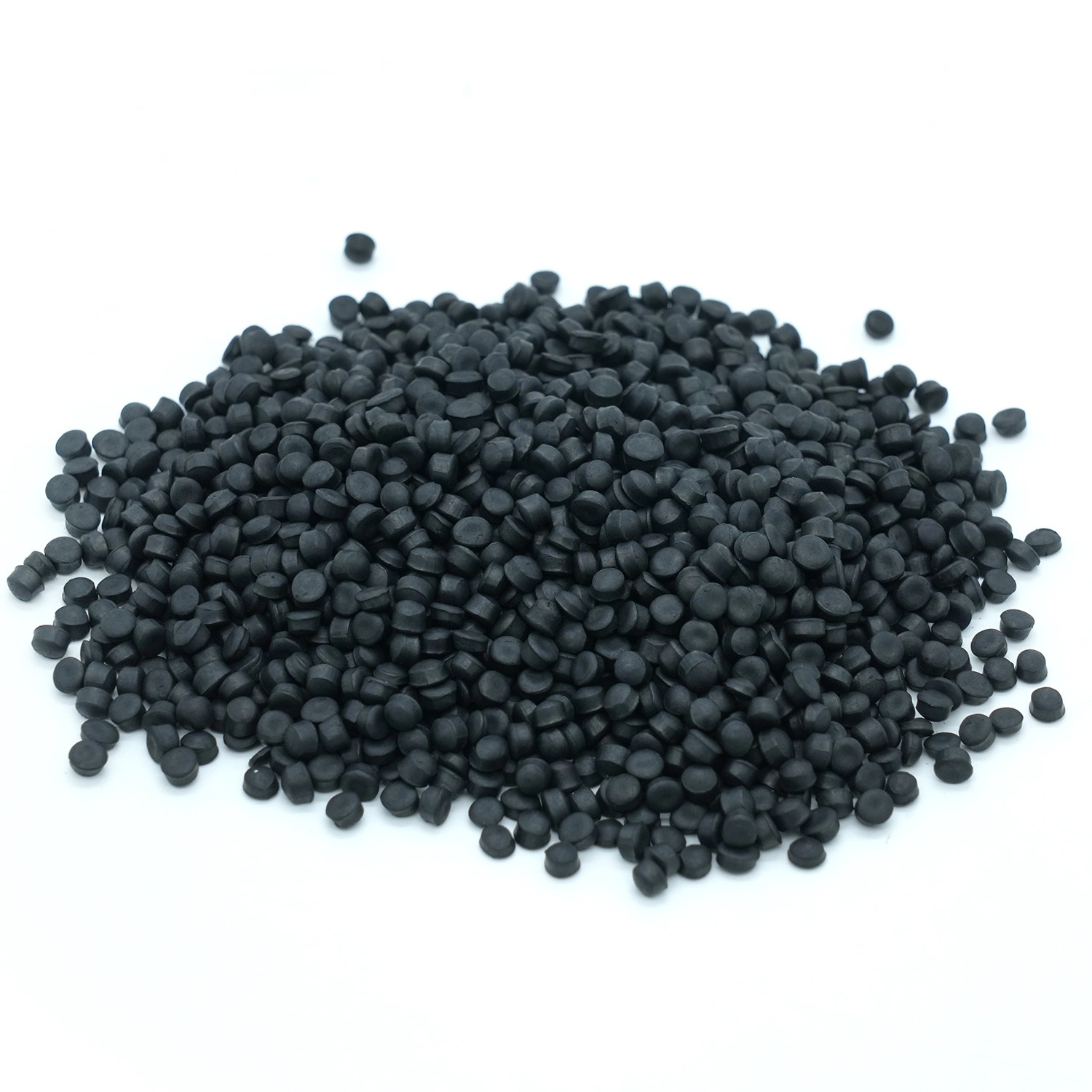
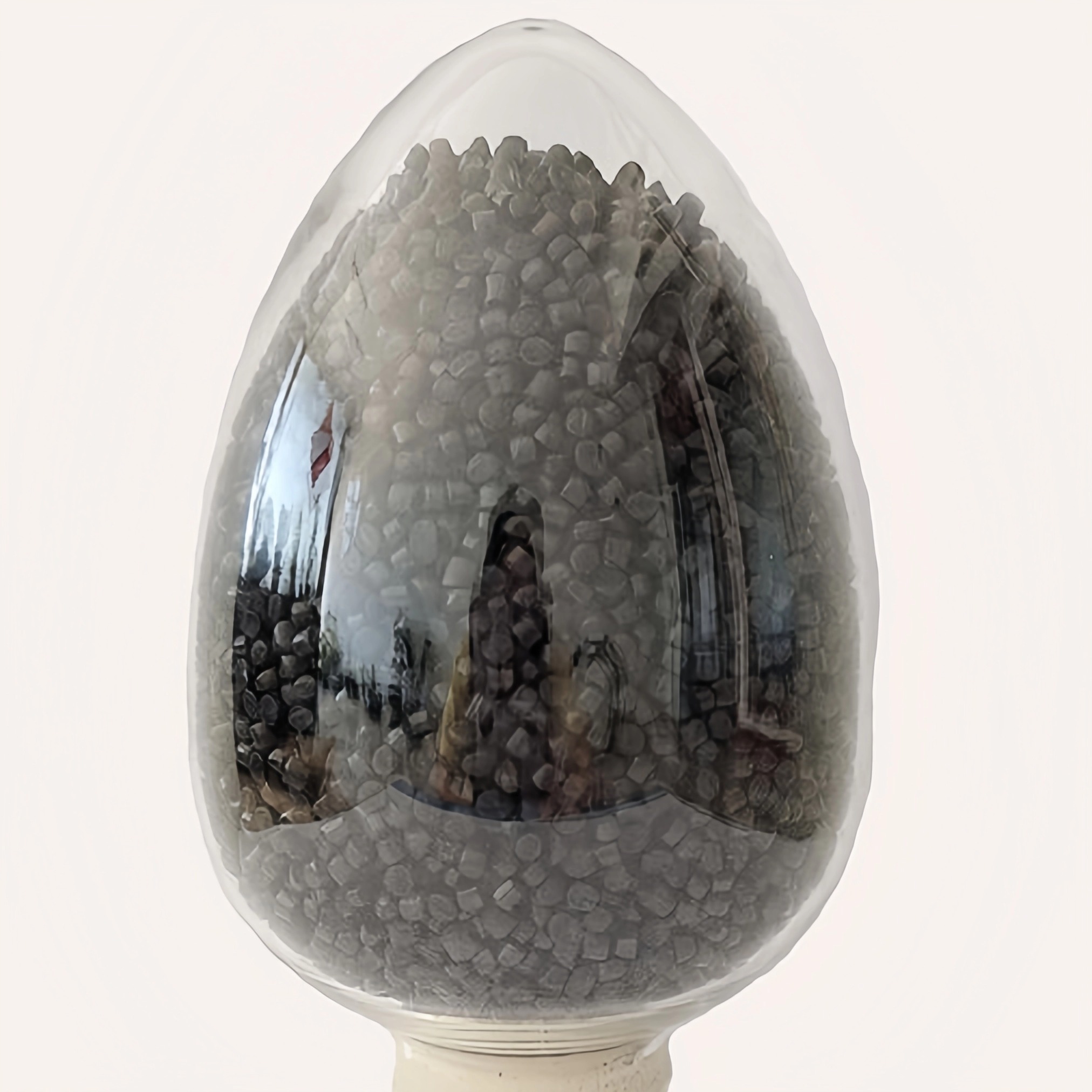
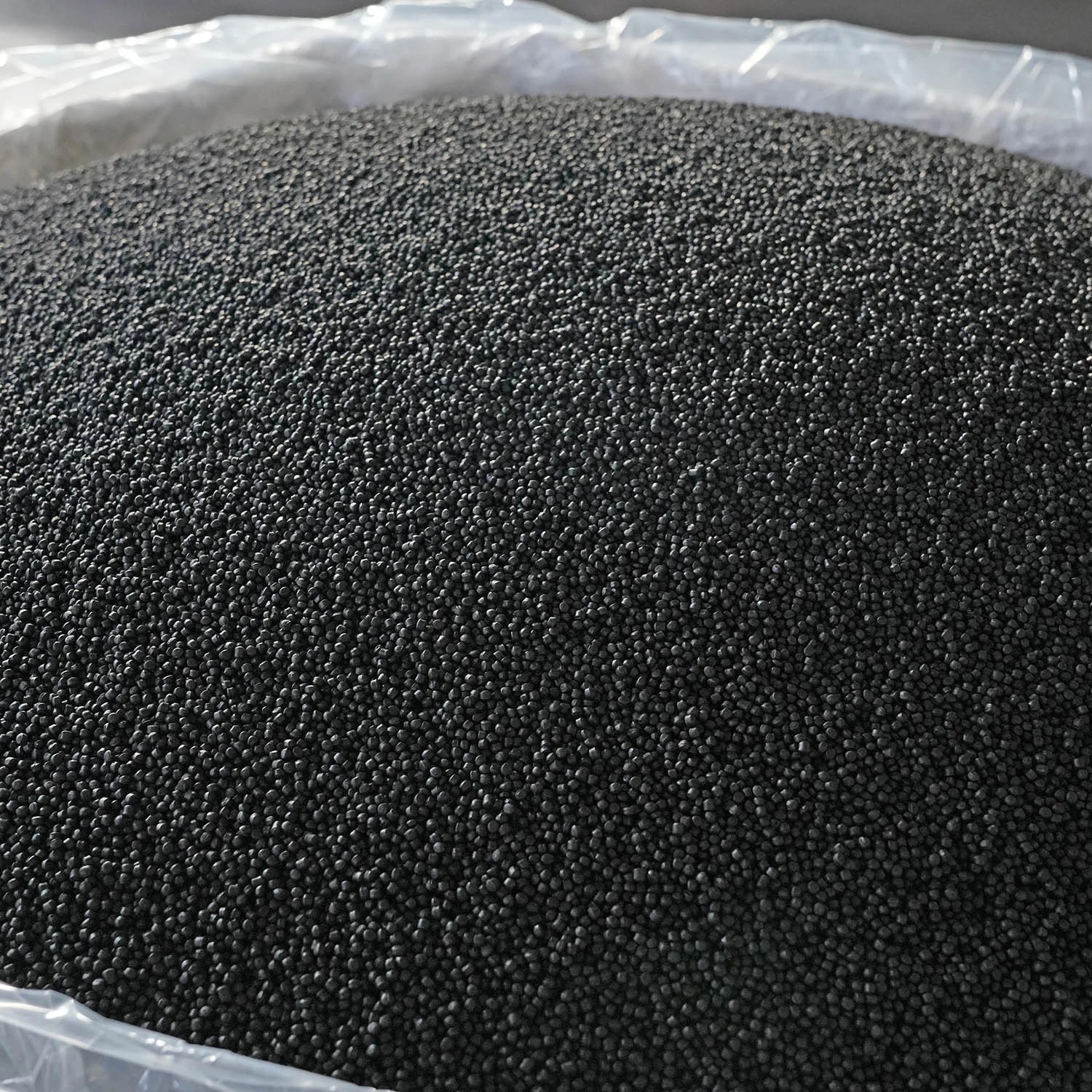
Before we dive into the benefits, it's important to understand what a shielding compound material is. At its core, shielding compound material is a thermoplastic or elastomer-based substance engineered with conductive or semi-conductive properties. These materials are usually applied in cable sheathing or insulation to block or absorb electromagnetic waves that could cause disruptive interference.
Typically, shielding compounds are formulated with carbon black, metal powders, graphene, or other conductive fillers dispersed in a polymer matrix. The design ensures a balance of conductivity, mechanical strength, and thermal stability.
These materials serve several crucial functions:
Attenuation of EMI/RFI waves
Consistent impedance throughout the cable
Mechanical protection against abrasion or compression
Thermal and chemical resistance in harsh environments
From medical equipment to industrial automation, shielding compounds are the hidden workhorses behind seamless electronic communication and data transfer.

Superior EMI and RFI Suppression Capabilities
EMI and RFI are invisible enemies. They can distort signals, reduce performance, or even damage electronic components. Shielding compound materials act as a passive defense mechanism, absorbing or reflecting incoming electromagnetic waves before they can reach sensitive circuitry.
Precision Shielding for High-Frequency Applications
One of the standout benefits is the ability to precisely attenuate high-frequency interference. Unlike metallic shielding that can sometimes reflect EMI and create secondary noise, compound-based shielding materials can absorb and dissipate it effectively. This is especially critical in data cables, RF transmission lines, and Ethernet cables, where signal integrity is non-negotiable.
Additionally, shielding compounds are often engineered to provide uniform electrical resistance, ensuring that protection remains stable over the entire cable length. This uniformity is particularly beneficial in telecommunications and automotive systems, where long runs of cable are common and signal quality must be preserved.
Enhanced Mechanical and Environmental Durability
Another major advantage of shielding compound materials is their mechanical robustness. These materials are not only designed to shield against EMI/RFI but also to endure physical stress such as bending, stretching, or abrasion.
Weather-Resistant and Flame Retardant
Most high-quality shielding compounds come with excellent resistance to UV exposure, flame propagation, and harsh weather conditions. This makes them suitable for both indoor and outdoor applications, including underground installations or use in high-temperature industrial environments.
Moreover, the material’s flexibility allows for easy extrusion onto cables without compromising their protective attributes. Whether it’s sub-zero temperatures in aerospace or high-humidity environments in maritime industries, shielding compound materials offer consistent performance.
Lightweight Design for Compact Electronics
Today’s electronic systems are trending toward miniaturization. Space and weight are critical design parameters in everything from smartphones to satellites. Shielding compound materials provide an excellent solution by offering lightweight protection without sacrificing shielding effectiveness.
Metal-Free Options with Comparable Conductivity
Unlike traditional copper or aluminum foils used in cable shielding, many compound materials are non-metallic, which significantly reduces the overall weight of the system. This is especially beneficial in automotive and aerospace sectors, where every gram matters.
Additionally, these materials can be tailored with specific filler ratios to meet conductivity and weight requirements. The result is a versatile shielding solution that integrates seamlessly into complex, compact designs.
Customization and Versatile Application Formats
Every electronic application has its own unique set of demands. One of the great strengths of shielding compound material is its customizability. Manufacturers can fine-tune the composition to meet exact specifications, such as conductivity level, hardness, flame resistance, or environmental tolerance.
Multiple Processing Capabilities
Shielding compounds can be applied using various methods:
Extrusion coating for cable insulation
Injection molding for enclosures or connectors
Co-extrusion with other materials to form multi-layer protective barriers
This makes them suitable for a wide range of product types, including:
| Application | Shielding Material Function |
| Coaxial Cables | Prevents signal cross-talk and attenuation |
| Ethernet Cables | Reduces data loss in high-speed transmissions |
| Power Cables | Protects against voltage spikes and EMI |
| Automotive Harnesses | Maintains signal integrity in high-vibration areas |
| Aerospace Communication | Offers lightweight shielding under extreme conditions |
With such versatile applications, shielding compounds continue to gain favor across various high-demand industries.

Cost-Effective Long-Term Solution
It’s no secret that downtime caused by EMI-induced failures can be expensive—especially in critical systems like medical equipment or industrial automation. By integrating shielding compound materials, manufacturers can minimize the risk of failure and reduce maintenance costs over time.
Stable Performance, Lower Lifecycle Costs
High-quality shielding compounds offer stable electrical and mechanical performance over extended periods, which means fewer replacements and lower total cost of ownership (TCO). These materials are also non-corrosive, unlike metallic shielding, which may oxidize over time and degrade.
Furthermore, these compounds are often easier to process during manufacturing, which reduces labor costs and speeds up production lines. In large-scale manufacturing scenarios, this translates to considerable cost savings without compromising on performance.
Compliance with Global Safety and Environmental Standards
Today’s regulatory environment is more stringent than ever. OEMs must ensure that their components meet global safety, environmental, and performance standards. The good news is that most advanced shielding compound materials are developed with RoHS, REACH, and UL certifications in mind.
Eco-Friendly Formulations Available
Many manufacturers are now offering halogen-free, low-smoke, and recyclable shielding compounds. These materials are especially favored in public infrastructure and transportation systems, where fire safety and environmental impact are critical concerns.
Using compliant shielding materials not only ensures safety and durability but also protects companies from legal liabilities and enhances their reputation for responsible manufacturing.
Frequently Asked Questions (FAQs)
Q1: How is shielding compound material different from metallic shielding?
Shielding compound materials are typically polymer-based and contain conductive additives, while metallic shielding involves copper or aluminum layers. Compound materials are lighter, more flexible, and can be customized for specific applications.
Q2: Can these materials be used in high-temperature environments?
Yes. Many shielding compounds are engineered to withstand high operating temperatures, often up to 105–125°C, making them suitable for industrial and automotive applications.
Q3: Is shielding compound material flame retardant?
Most high-performance shielding compounds include flame retardant properties, especially those intended for telecommunications or building infrastructure.
Q4: Are there any eco-friendly options?
Absolutely. Halogen-free and low-smoke variants are widely available, ensuring safety without environmental harm.
Conclusion
As electronic systems become more sophisticated, the importance of shielding compound material cannot be overstated. These advanced materials offer a perfect balance of electrical, mechanical, thermal, and environmental performance that conventional shielding methods struggle to match.
Whether you’re designing next-gen communication cables or robust industrial control systems, investing in high-quality shielding compounds provides a reliable, customizable, and cost-efficient solution for long-term electromagnetic compatibility.