
Views: 0 Author: Site Editor Publish Time: 2026-07-03 Origin: Site


Medium-voltage cable failures often originate from hidden thermal degradation. They also stem from persistent environmental stress over time. You depend on robust power infrastructure to maintain daily operations without catastrophic interruptions. Choosing the proper insulation material represents a critical engineering decision. This specific choice directly impacts system reliability and corporate sustainability compliance.
For decades, the global utility industry relied heavily on thermosetting materials. Engineers trusted these robust polymers to handle extreme electrical loads safely. However, rapid advancements in polymer science force a serious re-evaluation of traditional specifications today. Modern grid operators face increasing pressure to adopt greener infrastructure solutions.
This guide objectively compares competing medium-voltage cable technologies. We deliberately strip away marketing claims to uncover technical realities. You will learn the mechanical differences, thermal tolerances, and environmental impacts of these advanced materials. We provide a clear technical framework. You can use this framework to evaluate which option perfectly fits your specific infrastructure needs.
Crosslinked Insulation (e.g., XLPE, EPR) remains the proven standard for medium-voltage applications due to superior thermal stability, resisting melting during severe short-circuit events (up to 250°C).
Thermoplastic Insulation is historically limited by lower heat deformation thresholds, but next-generation materials (like High-Performance Polypropylene/HPTE) are closing the performance gap while offering 100% recyclability.
Decision Driver: The choice ultimately hinges on balancing established long-term reliability data (crosslinked) against emerging sustainability mandates and lower production energy requirements (thermoplastic).
Understanding how polymers react to heat requires examining their molecular bonds. The fundamental difference lies in physical versus chemical bonding. This structural divergence defines how each material behaves under intense electrical stress. Engineers must grasp this microscopic reality to predict macroscopic cable performance.
These materials rely entirely on physical interactions, such as Van der Waals forces, between polymer chains. You can picture this behavior acting much like industrial wax. The material melts when heated to a specific temperature threshold. It then solidifies again when cooled down.
Implementation Reality: This physical bonding characteristic allows for easier reshaping. You gain significant advantages regarding end-of-life recycling. Facilities can simply melt the material down for secondary applications.
Operational Risk: However, this same trait introduces critical operational vulnerabilities. The insulation faces a high risk of deformation under sustained electrical loads. Extreme temperatures weaken the physical bonds rapidly. We see structural integrity compromise when operating limits are exceeded.
Thermosetting polymers undergo a complex vulcanization or curing process during manufacturing. This crucial step links individual polymer chains together permanently through strong covalent bonds. Strong chemical bonds completely replace weak physical interactions.
Implementation Reality: You can compare this to a hard-boiled egg. Once the chemical curing completes, you cannot melt the material down again. The permanent 3D chemical network provides exceptional dimensional stability.
Operational Advantage: Crosslinked Insulation easily survives high thermal stress scenarios. The robust chemical matrix prevents the polymer from flowing or deforming. Even during severe fault conditions, the cable maintains its structural integrity safely.
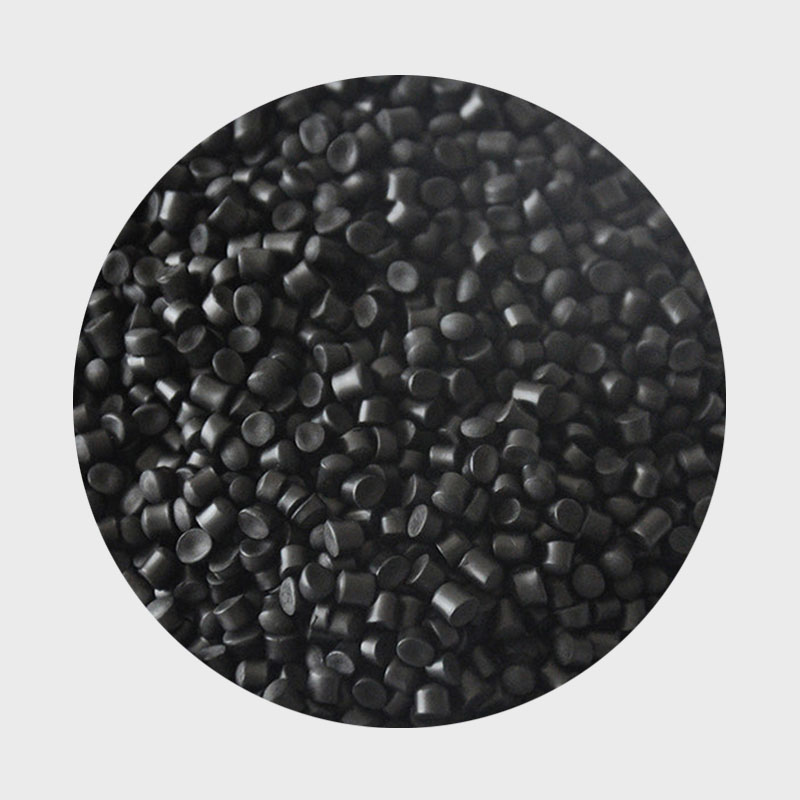
Engineers have trusted thermosetting polymers for decades. These materials dominate global utility grids for very good reasons. They offer a highly predictable safety margin under severe duress. Industry bodies consistently recognize their superior performance profiles.
Grid operators primarily specify two specific thermosetting compounds. Both deliver outstanding electrical properties for underground distribution networks.
Cross-linked Polyethylene (XLPE)
Ethylene Propylene Rubber (EPR)
Grid specifications demand strict adherence to thermal safety limits. Standard authorities like the IEC and IEEE rigorously define these operational boundaries. Thermosetting materials establish the industry benchmark across three distinct thermal states.
They support continuous operating temperatures of 90°C safely.
They handle emergency overload temperatures up to 130°C.
They endure severe short-circuit spikes up to 250°C without catastrophic deformation.
Decades of historical field data back these materials completely. You find them successfully deployed in underground installations and submarine environments. They perform flawlessly across harsh industrial facilities worldwide. XLPE shows exceptionally high resistance to moisture treeing.
Moisture treeing occurs when microscopic water droplets penetrate the insulation under high electrical stress. This phenomenon eventually causes catastrophic dielectric failure. Manufacturers developed water-tree-retardant variants (TR-XLPE) specifically to combat this issue. These specialized compounds actively prevent microscopic water channels from propagating. You gain massive operational confidence from this extensive real-world track record.
Despite stellar electrical performance, end-of-life disposal remains highly problematic. Crosslinked materials are notoriously difficult to recycle efficiently. The permanent covalent bonds prevent straightforward melting procedures. Used cables often end up occupying permanent space in industrial landfills.
Some facilities attempt energy-intensive downcycling processes. They grind the cured polymer into fine powders to use as inert fillers. This approach requires significant mechanical energy. It completely fails to meet modern circular economy objectives. Environmental regulators increasingly scrutinize these disposal methods.
The polymer industry actively recognizes the recycling limitations of thermosetting compounds. Researchers seek materials offering both high grid performance and total recyclability. Thermoplastic Insulation is currently undergoing a massive technological evolution. We are witnessing a transition from legacy compounds to advanced engineered blends.
Older utility networks occasionally utilized standard Polyvinyl Chloride (PVC). Some lower-voltage systems deployed standard Polyethylene (PE) decades ago.
Evaluation: These legacy options are generally unsuitable for modern medium-voltage utility standards. They suffer from dangerously low thermal limits. Continuous operating temperatures often max out between 70°C and 75°C. Unpredictable grid surges easily push cables past these thermal boundaries. Melting and subsequent short circuits become highly probable under heavy loads.
Advanced polymer science recently introduced heterophasic polypropylene copolymers. Engineers design these specific blends exclusively for medium-voltage power cables. They represent a monumental leap forward in material capabilities.
Manufacturers construct these blends by combining a rigid polypropylene matrix alongside soft elastomeric domains. This unique microscopic structure provides both thermal stability and mechanical flexibility.
Claims vs. Reality: Manufacturers claim these advanced blends achieve 90°C continuous operating temperatures. This specification perfectly matches traditional XLPE capabilities. Laboratory tests validate these high thermal limits thoroughly. However, long-term field data remains relatively scarce. We do not yet possess 30 years of underground operational history. Engineers must currently rely on accelerated aging tests rather than decades of physical deployment.
Producing non-crosslinked cables presents massive efficiency gains for manufacturers. The factory process eliminates the energy-intensive crosslinking phase entirely. Extrusion lines no longer require massive heating tubes.
Furthermore, the production bypasses the lengthy degassing phase completely. Cured XLPE must sit in heated rooms for weeks to expel methane byproducts safely. Skipping this step leads to dramatically shorter manufacturing lead times. You also achieve a substantially lower carbon footprint during initial cable production.
Choosing between these two technologies requires a structured evaluation framework. You must weigh electrical safety margins against modern sustainability mandates. We break down the comparison across four critical engineering dimensions.
Thermosetting polymers currently offer the highest safety margin available. They easily handle unpredictable grid fluctuations and sudden short-circuit conditions. Their chemical bonds refuse to yield under extreme heat spikes. Conversely, un-crosslinked polymers require strict adherence to standard operating limits. You must utilize advanced PP blends to match legacy overload tolerances safely.
Non-crosslinked options easily win regarding end-of-life recyclability. They generate significantly lower manufacturing emissions overall. Facilities operating under strict sustainability mandates increasingly pilot high-performance polypropylene. These corporate pilot programs help infrastructure operators meet aggressive net-zero carbon targets effectively.
Cured XLPE cables can become quite rigid naturally. You must handle them very carefully in cold weather environments. Aggressive bending during freezing temperatures easily causes microscopic cracking. Certain advanced PP variants offer improved mechanical flexibility. This flexibility potentially reduces labor time during tight conduit pulls. Your installation crews experience less physical strain routing the cables.
Both material categories exhibit excellent dielectric properties overall. They effectively prevent current from escaping the conductive core. However, un-crosslinked high-performance blends can offer slightly lower dielectric losses. The material possesses a highly favorable loss tangent (tan delta). This characteristic marginally improves power transmission efficiency over extremely long distances.
Engineers require hard data to justify specification changes. The following summary chart highlights the primary operational differences between the competing technologies.
Evaluation Criteria |
Crosslinked Technology (XLPE) |
Thermoplastic Technology (Advanced PP) |
|---|---|---|
Molecular Bonding |
Chemical (Permanent Covalent) |
Physical (Reversible Forces) |
Continuous Temp Rating |
90°C |
90°C |
Short-Circuit Temp Limit |
250°C |
Typically 150°C - 200°C |
End-of-Life Recyclability |
Extremely Difficult |
100% Recyclable |
Manufacturing Byproducts |
Methane (Requires Degassing) |
None |
Historical Field Data |
40+ Years |
Emerging (Accelerated Testing) |
No single material solves every infrastructure challenge perfectly. You must align the insulation properties with your specific operational environment. Carefully analyze your load profiles before drafting the final procurement specification.
Certain scenarios demand the absolute highest level of thermal resilience. You should stick with proven thermosetting compounds under specific conditions.
Mission-critical utility grids where historical reliability is absolutely non-negotiable.
Industrial environments carrying high risks of sustained overloads or sudden short circuits.
Underground or submerged applications requiring water-tree-retardant TR-XLPE technology.
Older infrastructure setups lacking modern digital load monitoring capabilities.
Modern engineering increasingly favors sustainable alternatives where technically appropriate. You should seriously evaluate high-performance PP blends for specific modern use cases.
Projects burdened with aggressive corporate ESG targets and strict end-of-life recycling requirements.
Renewable energy parks (solar/wind) where output load profiles remain highly predictable via inverters.
Situations where project timelines are severely compressed due to external factors.
Installations where bypassing the lengthy factory degassing process saves crucial procurement weeks.
Thermosetting compounds remain the safest choice for standard medium-voltage applications today. They offer unmatched thermal resilience backed by decades of flawless field data. However, the electrical transmission industry is rapidly approaching a major inflection point. Advanced recyclable polymers are no longer limited strictly to low-voltage applications. They now present a viable, eco-friendly alternative for serious utility infrastructure.
Procurement and engineering teams must proactively review their immediate project load profiles. You should weigh these technical requirements directly against corporate sustainability goals. For mission-critical infrastructure prone to severe overloads, stick to proven XLPE or EPR. For forward-looking green infrastructure, begin evaluating high-performance polypropylene pilot programs immediately. Work closely alongside your manufacturing partners to validate these new sustainable materials safely.
A: Technologically, advanced polypropylene (PP) is highly capable of replacing XLPE. It successfully meets the same 90°C continuous operating standards required for most modern applications. However, widespread replacement currently remains limited. The industry relies heavily on decades of proven field data associated with thermosetting materials. Engineers hesitate to abandon this extensive historical reliability without longer real-world testing of newer blends.
A: Non-crosslinked materials generally offer much faster production cycles. They completely skip the time-consuming degassing and curing processes required for thermosetting cables. You can achieve significantly shorter lead times during factory production. However, you must carefully evaluate total lifespan, failure risk, and the operational application environment before finalizing your technical specification.
A: The chemical curing process permanently alters the underlying polymer structure. Unlike physical blends, you cannot simply melt and reform them. Crosslinked polymers typically degrade or burn when exposed to high heat. This fundamental chemical change makes traditional recycling methods highly ineffective. Facilities often face no choice but to send these materials to industrial landfills.


