Polyethylene resin is one of the most commonly used plastics worldwide, derived from the polymerization of ethylene, a hydrocarbon sourced from petroleum and natural gas. It is available in various forms, including low-density polyethylene (LDPE), high-density polyethylene (HDPE), and cross-linked polyethylene (XLPE), each tailored to specific applications in industries like packaging, medical devices, and manufacturing.
Among these, high-quality polyethylene resin stands out due to its exceptional attributes, such as enhanced durability, biocompatibility, and superior chemical resistance. This advanced resin is engineered to excel in demanding applications, particularly where safety, reliability, and longevity are paramount.
In the healthcare sector, the role of high-quality polyethylene resin is indispensable. Medical devices, implants, and packaging rely on this resin to meet rigorous safety and performance standards. Its ability to endure exposure to bodily fluids, sterilization processes, and environmental stresses makes it the ideal choice for creating medical products that are both durable and safe over extended use.
As the healthcare industry continues to evolve, the demand for advanced medical solutions increases, driving the need for high-quality polyethylene resin and pushing further innovations in its production and application.
1. What is High-Quality Polyethylene Resin?
Definition and Composition
High-quality polyethylene resin refers to a grade of polyethylene that has been specially designed and manufactured to meet rigorous standards. This resin is produced using advanced polymerization techniques, ensuring a consistent molecular structure that offers superior mechanical properties, chemical resistance, and thermal stability. The key elements that contribute to its high quality include:
Purity: The absence of contaminants and impurities is essential for ensuring the resin's high performance.
Controlled Molecular Weight: High-quality polyethylene resin has a well-defined molecular weight distribution, offering the right balance between flexibility and strength.
Additives: Specific stabilizers, antioxidants, and UV inhibitors are added to improve the resin’s performance and longevity.
Types of Polyethylene Resin
Polyethylene resin can be categorized into various types based on the density and molecular structure:
Low-Density Polyethylene (LDPE): Known for its flexibility and transparency, LDPE is commonly used in packaging and film production.
High-Density Polyethylene (HDPE): Offering greater strength and resistance to chemicals, HDPE is used in applications like bottles and pipes.
Cross-Linked Polyethylene (XLPE): This type has an enhanced structure that improves its heat resistance and mechanical strength, making it ideal for medical applications and cables.
For high-quality polyethylene resin, the focus is on achieving a consistent, uniform molecular structure that enhances the resin's properties, making it suitable for more demanding applications, including medical products and advanced packaging.
2. Polyethylene Resin Production Process
Polymerization
The production of polyethylene resin begins with the polymerization of ethylene monomers. In the polymerization process, ethylene molecules are chemically bonded to form long polymer chains. There are two main types of polymerization methods used:
Free Radical Polymerization: This method is typically used for the production of LDPE. It generates branched molecules, which are ideal for producing flexible, low-density products.
Ziegler-Natta Polymerization: This method is commonly used to produce HDPE and XLPE. It uses specific catalysts that control the polymerization process, resulting in highly linear chains, which are perfect for creating high-density and cross-linked materials.
The polymerization reactor is where the ethylene monomers undergo a chemical reaction with catalysts under controlled temperatures and pressures to form polyethylene resin.
Additive Incorporation
To enhance the performance of the resin, several additives are incorporated during production. These additives play a crucial role in improving the resin’s mechanical and chemical properties, including:
Antioxidants: To prevent oxidation and degradation over time, especially when exposed to high temperatures.
UV Stabilizers: These additives protect the resin from UV radiation, improving its resistance to sun exposure, making it ideal for outdoor medical equipment.
Colorants and Fillers: Added to modify the appearance and increase the mechanical strength of the resin.
The type and quantity of additives used are critical in determining the final performance of the high-quality polyethylene resin, ensuring it meets the demands of its intended application.
Extrusion and Pelletization
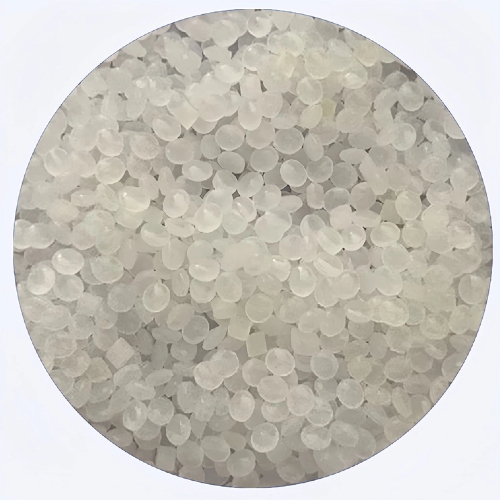
Once polymerization is complete, the resin is extruded into long continuous strands. These strands are then cooled and cut into small uniform pellets that are easy to transport and handle. The pelletization process is crucial because it allows the polyethylene resin to be handled efficiently and processed further into various forms, such as sheets, films, or molds used in medical devices.
3. How Quality is Maintained in Polyethylene Resin Production
Control of Molecular Weight and Structure
The quality of polyethylene resin is heavily dependent on molecular weight and the distribution of molecular weight. In high-quality polyethylene resin production, these factors are meticulously controlled to ensure the resin has the desired strength, flexibility, and durability. The molecular structure is modified through the polymerization process, ensuring a narrow molecular weight distribution that results in a more consistent product.
Key Properties of High-Quality Polyethylene Resin
Property | Importance |
Molecular Weight Distribution | Affects strength, flexibility, and resistance to impact and stress. |
Biocompatibility | Ensures the material is safe for use in medical devices. |
Chemical Resistance | Critical for use in harsh chemical environments, particularly in medical and industrial applications. |
Moisture Absorption | Low moisture absorption ensures the longevity of products, especially in medical packaging. |
Consistency in Raw Materials
To maintain the high quality of polyethylene resin, manufacturers rely on high-quality raw materials. Ethylene monomers must meet specific purity standards to ensure that no contaminants are introduced during the polymerization process. Even the catalysts used in the polymerization process must be carefully selected to avoid any impurities that could degrade the resin’s properties.
Testing and Quality Control
During production, polyethylene resin undergoes several quality control tests to verify that it meets the required specifications. These tests include:
Mechanical Testing: To assess strength, flexibility, and elongation properties.
Chemical Resistance Testing: To ensure the resin can withstand exposure to various chemicals.
Biocompatibility Testing: Ensuring the resin is safe for medical applications.
Thermal Stability Testing: Evaluating the resin's performance under extreme temperature conditions.
All of these tests are critical to maintaining the high standards of polyethylene resin used in medical devices and packaging.
Monitoring and Process Optimization
Manufacturers use real-time monitoring systems to oversee the production process and ensure that any deviations from the desired product quality are detected immediately. These systems monitor variables such as temperature, pressure, and reaction rates during polymerization. If any parameter deviates from the ideal range, adjustments are made promptly to ensure the quality of the resin is not compromised.
![high-quality polyethylene resin]()
4. Key Characteristics of High-Quality Polyethylene Resin
Durability and Resistance
High-quality polyethylene resin is known for its outstanding durability. This material can resist wear and tear even under harsh conditions. Its chemical resistance ensures that it can be used in a variety of demanding applications, such as in medical packaging and implants, where it is exposed to bodily fluids and sterilization processes.
Biocompatibility
Biocompatibility is a crucial property for materials used in medical devices. High-quality polyethylene resin is biocompatible, meaning it can safely interact with human tissues and fluids without causing any adverse reactions. This makes it suitable for use in a wide range of medical products, including drug delivery systems, implants, and syringes.
Moisture and Chemical Resistance
The low moisture absorption rate of high-quality polyethylene resin ensures that it does not degrade when exposed to water or moisture. This is particularly important for applications such as medical packaging, where moisture resistance is required to preserve the contents of sterile packages. Additionally, the resin's chemical resistance makes it ideal for medical devices that must withstand exposure to a variety of chemicals.
5. Quality Assurance and Compliance in Polyethylene Resin Production
Regulatory Standards
High-quality polyethylene resin must meet several regulatory standards to ensure it is safe for use in medical devices. These standards include:
FDA Approval: For materials that come into direct contact with patients.
ISO Certification: Ensuring that the production process meets international quality standards.
EU Regulations: For medical devices sold in Europe.
These certifications ensure that the resin is manufactured under strict guidelines to meet safety and performance requirements.
Certifications and Audits
To guarantee product quality and consistency, polyethylene resin manufacturers undergo regular audits and receive certifications from third-party organizations. These audits evaluate the entire production process, from raw material sourcing to the final testing of the resin, ensuring compliance with industry standards and regulations.
6. The Role of High-Quality Polyethylene Resin in Various Industries
Medical Applications
High-quality polyethylene resin is a key material in the medical industry, where it is used in devices such as surgical instruments, implants, and drug delivery systems. Its biocompatibility and durability make it ideal for ensuring long-term patient safety.
Packaging Industry
Polyethylene resin is widely used in the packaging industry. The high-quality polyethylene resin ensures that medical packaging is not only safe and sterile but also resistant to environmental factors such as moisture and chemicals.
Other Industrial Applications
Beyond medical uses, high-quality polyethylene resin is also utilized in various industrial applications. It is used in pipe systems, plastic containers, and chemical storage, where durability and chemical resistance are critical.
7. Conclusion
The production of high-quality polyethylene resin involves several essential steps, from polymerization to rigorous testing and quality assurance. These processes are meticulously designed to ensure that the resin meets the stringent standards required for both medical and industrial applications. By maintaining tight control over molecular weight, raw material purity, and the incorporation of specific additives, we can consistently produce resin that is durable, reliable, and safe for use in a variety of critical products.
Looking ahead, the future of polyethylene resin production will be driven by innovations in sustainability, biocompatibility, and production efficiency. As medical and industrial applications continue to evolve, the demand for high-quality polyethylene resin will remain a key factor in shaping the next generation of products.
At Nanjing Zhongchao New Materials Co., Ltd., we are dedicated to advancing the production of polyethylene resin through continuous research and development. If you're looking for a trusted partner to provide high-quality polyethylene resin solutions, we encourage you to get in touch with us. Our team is ready to support your needs and help drive the success of your projects.
8. FAQs
1. What makes polyethylene resin "high-quality"?
High-quality polyethylene resin is characterized by its uniform molecular structure, enhanced chemical resistance, and biocompatibility, achieved through advanced polymerization and careful additive incorporation.
2. How is polyethylene resin produced?
Polyethylene resin is produced through a polymerization process where ethylene monomers are chemically bonded to form long polymer chains. Specific catalysts and additives are used to control the resin’s properties.
3. Why is quality control important in polyethylene resin production?
Quality control ensures that the resin meets the required specifications for strength, flexibility, chemical resistance, and biocompatibility, making it safe for use in medical and industrial applications.
4. How do additives affect the quality of polyethylene resin?
Additives such as antioxidants and UV stabilizers improve the resin’s durability, resistance to environmental factors, and performance in demanding applications, such as medical devices.
5. What certifications are required for high-quality polyethylene resin?
High-quality polyethylene resin must meet international standards such as FDA and ISO certifications to ensure its safety, performance, and regulatory compliance.