In today's high-tech manufacturing world, electromagnetic interference (EMI) poses a serious threat to the performance and safety of electronic systems—especially in automotive and industrial environments. The demand for Shielding Compound Material has grown exponentially as industries seek reliable solutions to maintain signal integrity, reduce electrical noise, and protect sensitive components. Choosing the right shielding compound is not a simple task—it requires evaluating several technical factors including conductivity, processing compatibility, thermal stability, and regulatory compliance. This article explores how to select the ideal shielding compound material for your application.
What Is Shielding Compound Material?
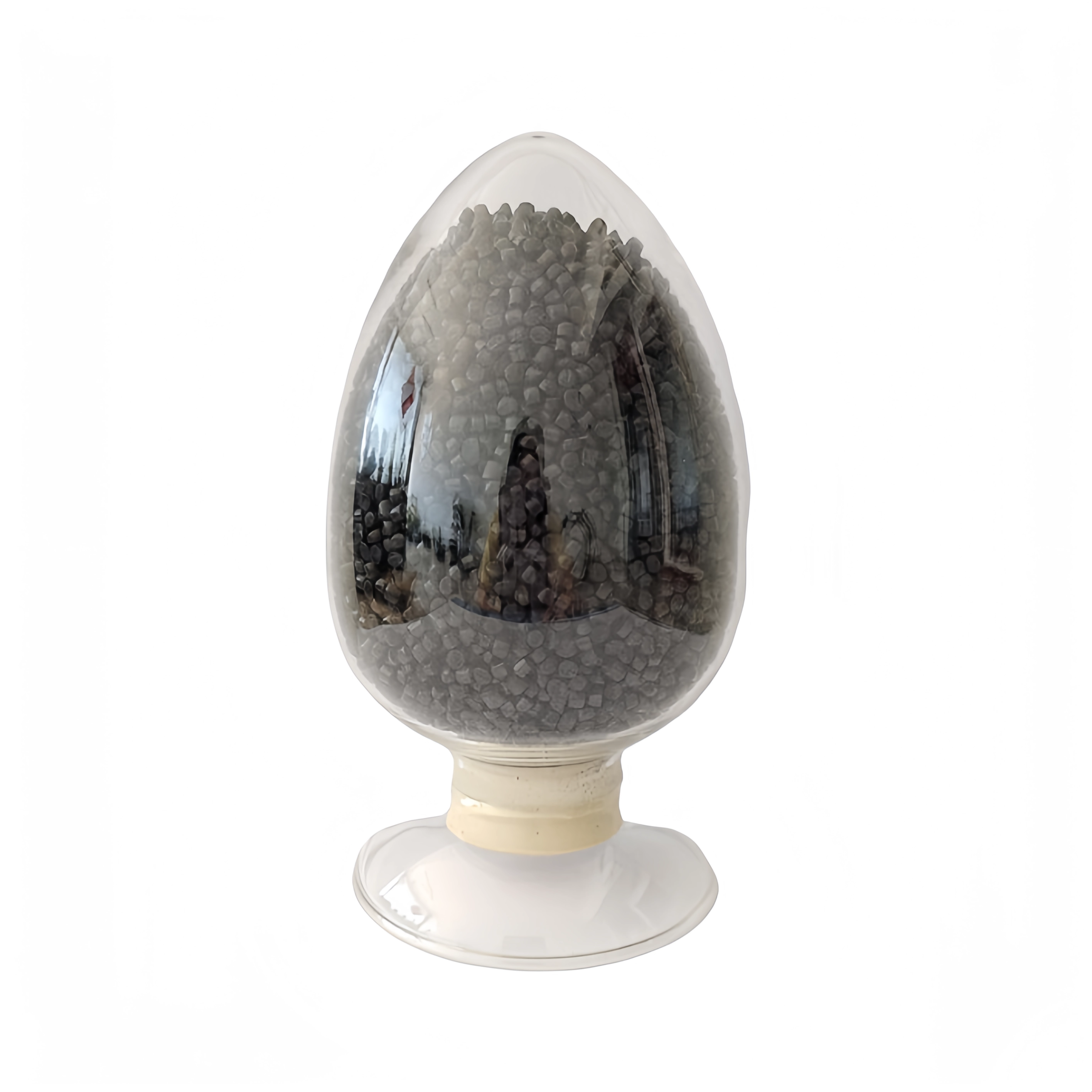
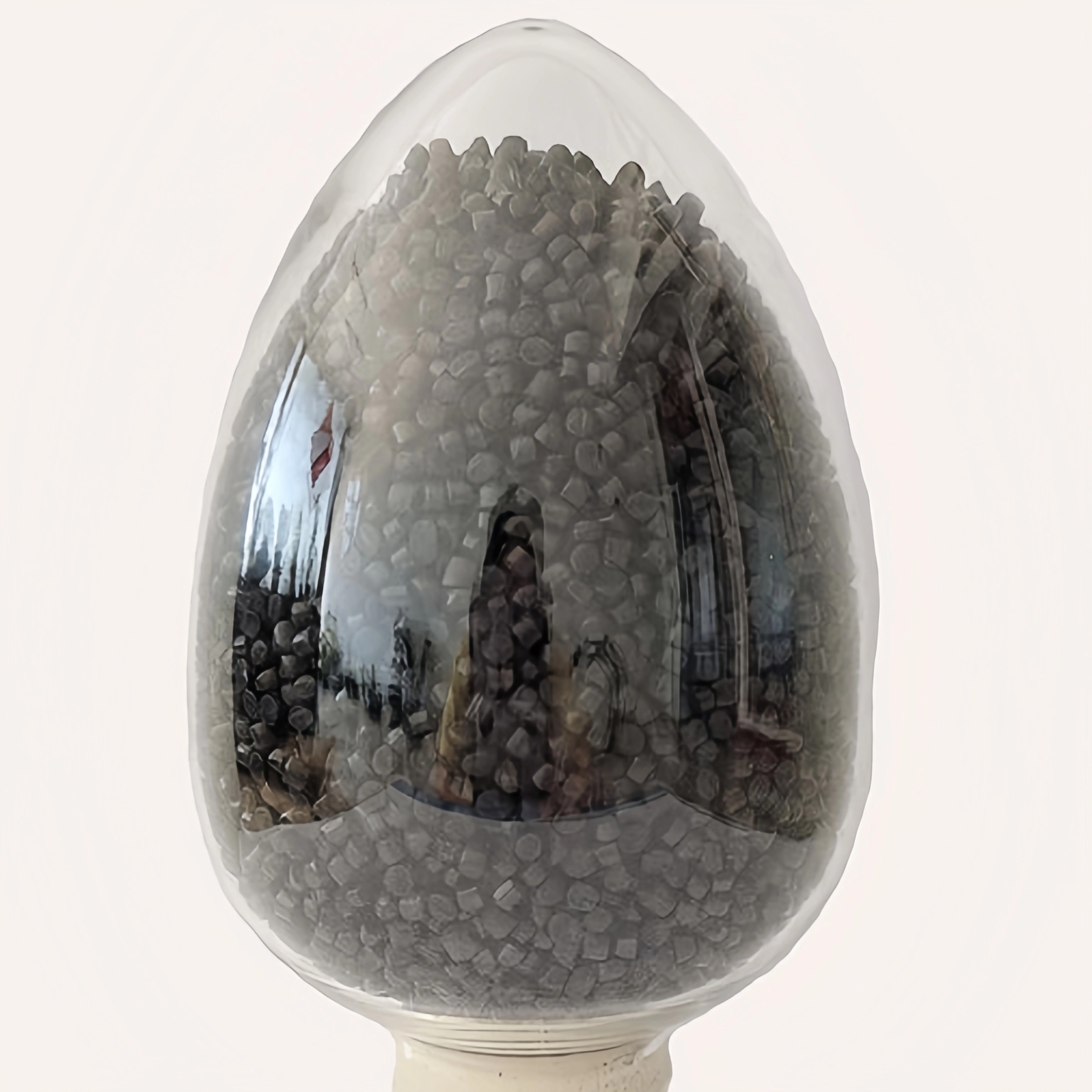
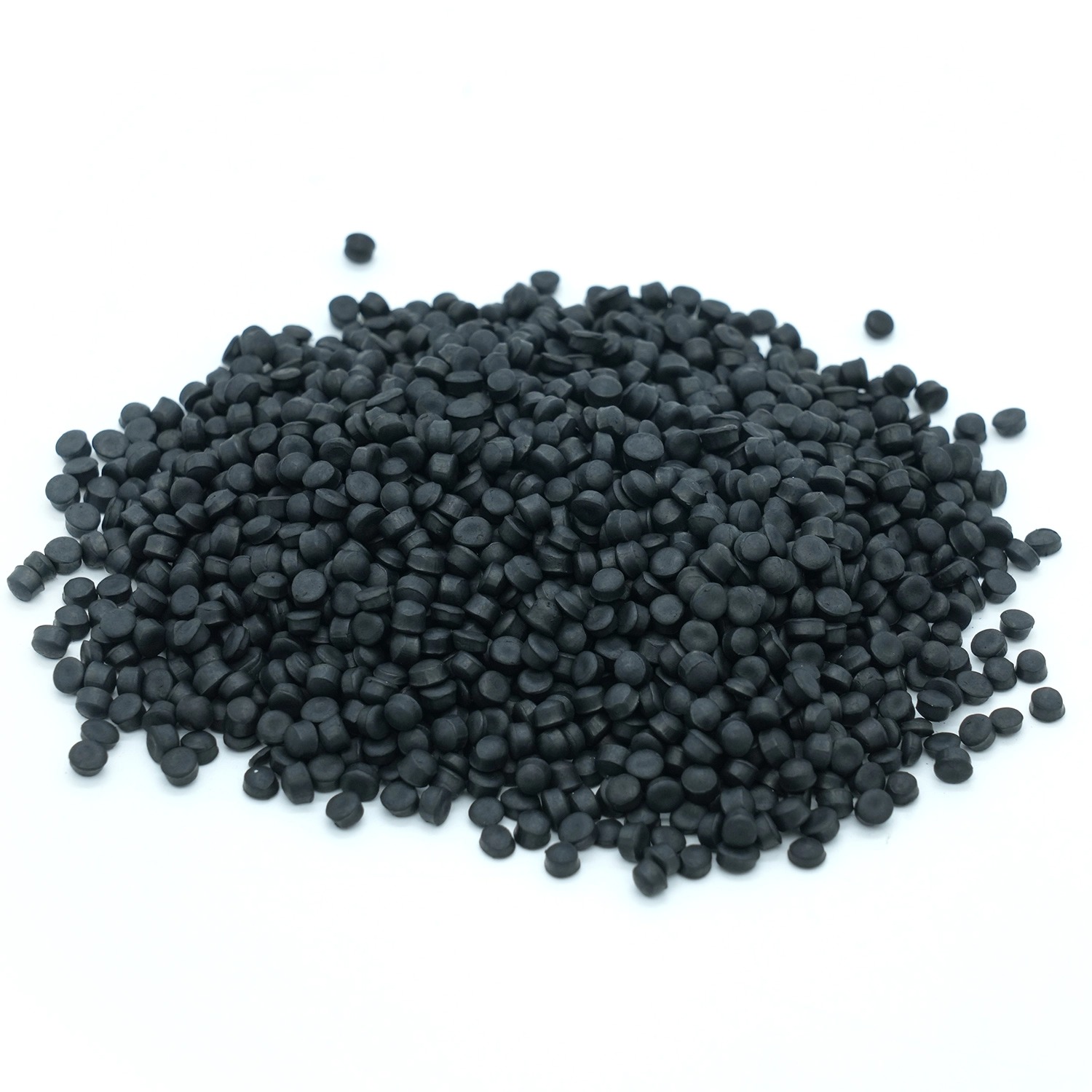
Shielding Compound Material refers to specially engineered polymer-based compounds infused with conductive fillers like carbon, graphite, or metal particles. These materials are designed to block, reflect, or absorb electromagnetic and radiofrequency interference. The base matrix is often a polyolefin or polyethylene compound that provides flexibility and compatibility with common cable jacket systems or component housings.
Unlike metal shields, shielding compounds offer several benefits: lightweight design, ease of extrusion or molding, and excellent adhesion to insulation materials. They are widely used in shielded power cables, coaxial cables, and automotive wire harnesses, where space constraints and weight are critical.
Key Features of Shielding Compound Materials
Electrical Conductivity: Essential for effective EMI blocking
Thermal Resistance: Operates reliably in high-temperature environments
Adhesion & Compatibility: Binds well with common insulation materials like XLPE or PVC
Processability: Suitable for extrusion, co-extrusion, or injection molding
Corrosion Resistance: Protects metal layers or wires from oxidation

Why Is Shielding Crucial in Industrial and Automotive Sectors?
The rise of smart manufacturing, electric vehicles (EVs), and industrial automation has drastically increased the number of interconnected electronic systems. These systems often operate in close proximity, making them vulnerable to EMI. For example, in electric vehicles, interference from high-voltage battery lines can disrupt sensors, GPS, or control units—potentially leading to performance failure or safety hazards.
In factories, frequency converters, motors, and robotic arms produce significant EMI, which can affect programmable logic controllers (PLCs), sensors, and data lines. Proper shielding ensures uninterrupted communication, improved reliability, and extended equipment lifespan.
Industry Compliance and Safety
Industries must also adhere to international standards such as:
| Standard | Purpose |
| ISO 6722 | Road vehicle cable specifications |
| UL 758 | Appliance wiring material |
| RoHS/REACH | Environmental compliance |
| IEC 60228 | Conductors of insulated cables |
Selecting shielding materials that comply with these standards is vital to avoid penalties and ensure system integrity.
Factors to Consider When Selecting a Shielding Compound Material
1. Conductive Filler Type and Concentration
The type and concentration of conductive fillers significantly influence shielding effectiveness. Carbon black offers cost-effective EMI reduction, but metal particles (like silver or aluminum flakes) provide superior conductivity. However, metals are often heavier and more expensive. Graphene is an emerging option for ultra-lightweight applications.
Ensure the shielding effectiveness (SE) meets your system’s required dB level across the operational frequency range—typically measured using ASTM D4935 or IEEE 299 standards.
2. Processing Method Compatibility
Most shielding compounds are designed for extrusion processes, especially when used as cable sheaths. Some grades are also injection-moldable for component housings. Consider processing temperature, melt flow index, and crosslinking requirements before selecting a compound.
| Parameter | Preferred Range |
| Melt Flow Index (MFI) | 1–10 g/10min |
| Processing Temp. | 160–220°C |
| Crosslinking Agent | Peroxide or silane-grafted polymers |
How to Match Shielding Materials with Application Requirements
Automotive Applications
For automotive wire harnesses, the shielding compound must provide excellent flexibility, mechanical durability, and resistance to automotive fluids (like oil or coolant). Also, the material must withstand wide temperature ranges, from -40°C to +125°C.
Ideal properties include:
Tensile strength above 10 MPa
Elongation at break > 100%
Thermal aging resistance (150°C for 240h)
Shielding effectiveness > 60 dB across 30 MHz–1 GHz
Industrial Applications
In industrial environments, cables often run long distances and pass through noisy environments. The shielding compound must resist abrasion, UV radiation, and high operating temperatures.
Material requirements:
High surface resistivity (less than 1 ohm-cm)
Excellent flame retardancy (UL94 V-0 rated)
Process compatibility with thick-wall extrusion
Chemical resistance to solvents, lubricants, and dust
Cost vs. Performance: Finding the Right Balance
Shielding compound materials come in a wide price range, often dictated by the filler type, base polymer, and regulatory additives. For budget-sensitive applications, carbon-filled polyolefins may suffice. For high-end applications like aerospace or premium EVs, metal-filled or graphene-enhanced compounds are worth the investment.
| Filler Type | Shielding Level | Cost Level | Application Suitability |
| Carbon Black | Medium | Low | Consumer electronics, basic cables |
| Metal Flakes | High | High | EV, aerospace, high-power systems |
| Graphene | Very High | Medium-High | Advanced EVs, ultra-light cables |
Evaluate both initial investment and long-term performance—inferior shielding may result in expensive EMI-related system failures.

Frequently Asked Questions (FAQs)
Q1. How do I test the effectiveness of shielding compound material?
A: You can use standard test methods like ASTM D4935 or IEEE-STD-299 to measure shielding effectiveness across different frequencies. Testing typically involves creating a molded or extruded sample and analyzing its ability to block EMI.
Q2. Is there a difference between shielding and grounding?
A: Yes. Shielding blocks EMI, while grounding provides a path for unwanted current. Shielding compounds should work in tandem with proper grounding strategies for maximum protection.
Q3. Can shielding compound materials be recycled?
A: Most polyolefin-based compounds with carbon fillers are recyclable. However, those with metal fillers may require specialized recycling processes due to their higher environmental impact.
Q4. Can I use the same shielding material across different voltage levels?
A: Not necessarily. Higher voltage applications may demand additional insulation layers and more robust shielding to prevent dielectric breakdown. Always check voltage compatibility in the compound’s technical datasheet.
Conclusion
Selecting the right Shielding Compound Material is a complex decision that impacts the safety, performance, and durability of your industrial or automotive systems. It requires a thorough understanding of material science, processing methods, and regulatory needs. Consider not only the EMI environment but also mechanical stresses, thermal loads, and cost constraints.
By carefully evaluating these factors and matching material properties to application-specific demands, engineers and procurement teams can ensure optimal EMI protection—securing long-term system reliability and regulatory compliance.
For best results, work closely with your material supplier to request detailed datasheets, sample materials, and support for prototyping or lab testing. In high-stakes environments like EV platforms or automated manufacturing lines, precision in material selection isn't just a technical preference—it’s a mission-critical requirement.