Insulation materials play a crucial role in cable manufacturing, ensuring the safety, durability, and efficiency of electrical cables. These materials not only protect the cable's internal components but also provide essential properties such as electrical resistance, thermal stability, and mechanical strength. Among the various types of insulation materials, XLPE insulation particles have gained significant attention due to their high-performance characteristics, including superior thermal resistance and long-term durability. In comparison, traditional insulation materials such as PVC (Polyvinyl Chloride) and PE (Polyethylene) have been widely used for decades, offering their own set of benefits. This article aims to compare the effectiveness of XLPE insulation particles against traditional materials to highlight their respective advantages and help determine the best choice for specific cable applications.
Understanding XLPE Insulation Particles
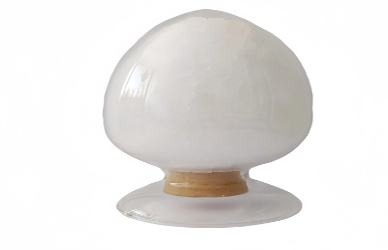
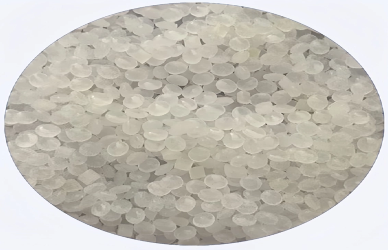
XLPE insulation particles are made from cross-linked polyethylene (XLPE), a material that undergoes a process to bond polyethylene molecules into a three-dimensional network. This enhancement significantly improves its physical properties, making it ideal for cable insulation.
XLPE particles are used to create the insulating layers in high-performance cables, preventing electrical leakage and improving safety. These particles provide reliable insulation in cables used in extreme temperatures or areas with high mechanical stress.
1.Key Advantages of XLPE Insulation Particles
Corrosion Resistance:
XLPE is highly resistant to corrosion and degradation, making it perfect for harsh environments like areas with moisture or chemicals. It maintains its insulating properties longer than traditional materials.
High-Temperature Performance:
XLPE can withstand high temperatures, operating continuously up to 90°C and briefly up to 250°C. This makes it ideal for power cables and industrial machinery where high heat is common.
Long-Term Durability:
XLPE offers long-term durability, resisting aging, cracking, and wear. This reduces maintenance needs, making it a great choice for solar cables, electric vehicle wiring, and power transmission lines.
2.Suitability for High-Performance and Sustainable Applications
XLPE insulation particles are well-suited for high-performance, sustainable applications like solar power systems and electric vehicle cables. They are environmentally friendly, free from halogens, and require less energy to produce, making them a greener option for industries focused on sustainability.
Traditional Insulation Materials
Traditional insulation materials such as PVC (Polyvinyl Chloride) and PE (Polyethylene) have been widely used in the cable industry for decades. These materials are affordable and easy to manufacture, making them suitable for a variety of general-purpose electrical cables.
1.Key Characteristics and Common Uses
PVC (Polyvinyl Chloride):
Cost-Effective: PVC is an economical choice for insulation due to its low production cost.
Flexible and Durable: PVC offers good flexibility and is resistant to chemicals and moisture, making it ideal for low- and medium-voltage applications, such as residential wiring and some industrial cables.
Flame Retardant: PVC has inherent flame-retardant properties, making it a common choice for applications where fire resistance is important.
PE (Polyethylene):
Good Electrical Insulation: PE provides excellent electrical insulation properties, making it a go-to choice for low-voltage cables.
Chemical Resistance: Polyethylene is resistant to many chemicals, making it suitable for cables exposed to harsh environments, such as underground or outdoor use.
Low Cost: PE is widely used due to its affordability and ease of processing.
2.Limitations of Traditional Insulation Materials
Environmental Impact:
Both PVC and PE can have negative environmental impacts. PVC contains chlorine, which, when burned, can release toxic gases like dioxins. Additionally, PVC is difficult to recycle, contributing to long-term waste.
PE is more environmentally friendly than PVC but still contributes to plastic waste and can have lower recyclability compared to newer materials like XLPE.
Flame Resistance:
While PVC has inherent flame-retardant properties, it can still release toxic fumes when exposed to high heat or flames. PE does not have the same flame-retardant properties and can catch fire easily in certain conditions, limiting its use in high-risk environments.
Durability:
PVC tends to degrade over time when exposed to UV radiation, extreme temperatures, or mechanical stress, which limits its lifespan in outdoor or high-temperature environments.
PE is more durable in some environments but may not offer the same high-temperature resistance as newer materials like XLPE, especially for high-voltage and industrial applications.

Comparison of Effectiveness: XLPE vs. Traditional Materials
1. Electrical Performance
XLPE insulation offers superior dielectric strength compared to PVC and PE, making it ideal for high-voltage applications.
XLPE provides better electrical insulation, preventing leakage and ensuring high performance under high voltage.
PVC and PE are effective for low- to medium-voltage cables but have a lower dielectric strength, limiting their use in high-performance applications.
Conclusion: XLPE excels in electrical performance for high-voltage cables.
2. Thermal Resistance
XLPE insulation performs better in high-temperature environments than PVC or PE.
XLPE can withstand continuous temperatures up to 90°C and short-term peaks of 250°C, making it suitable for extreme conditions.
PVC and PE can handle lower temperatures (around 70°C and 80°C, respectively) and degrade faster in heat.
Conclusion: XLPE offers superior thermal resistance, ideal for high-temperature applications.
3. Durability and Longevity
XLPE insulation provides greater durability and longer lifespan than traditional materials.
XLPE is resistant to mechanical stress, UV radiation, and chemical exposure, making it ideal for harsh environments.
PVC and PE are more prone to UV degradation and wear under stress, reducing their lifespan.
Conclusion: XLPE is more durable and long-lasting than PVC and PE.
4. Environmental Impact
XLPE insulation is more eco-friendly than PVC and PE.
XLPE is halogen-free, recyclable, and safer during fires.
PVC contains chlorine, releasing toxic gases when burned and is harder to recycle.
PE is more environmentally friendly than PVC but lacks the high-performance advantages of XLPE.
Conclusion: XLPE is the most sustainable and eco-friendly choice.
Applications and Use Cases
1.XLPE Insulation Particles: Ideal for High-Performance Applications
XLPE insulation particles are used in high-performance applications due to their superior properties. Here are some key areas where XLPE excels:
High-Voltage Cables
XLPE is ideal for high-voltage cables used in power transmission and industrial applications, thanks to its excellent dielectric strength and thermal resistance.
Solar Power Systems
XLPE is a top choice for solar power cables due to its UV resistance, chemical stability, and long-term durability, essential for outdoor use in harsh environments.
Electric Vehicle (EV) Cables
In EV charging cables, XLPE offers high thermal resistance and flexibility, handling temperature fluctuations and mechanical wear.
Communication Cables
XLPE is used in communication cables for its excellent electrical properties, ensuring minimal signal loss and high performance.
2.Traditional Insulation Materials: Common Use Cases
While XLPE is ideal for demanding applications, traditional materials like PVC and PE are still common in less demanding uses:
Standard Electrical Wiring
PVC is used in standard electrical wiring for low-voltage circuits in residential and commercial buildings due to its affordability and adequate insulation.
Low-Voltage Applications
PE is often used in low-voltage cables, such as communication or networking cables, due to its flexibility and chemical resistance.
General Consumer Electronics
PVC is widely used in the insulation of wires for consumer electronics like chargers and appliances due to its flame-retardant properties and cost-effectiveness.
FAQ Section
1.What are the main advantages of using XLPE insulation particles over traditional materials like PVC or PE?
XLPE offers several key benefits:
Enhanced Electrical Performance: XLPE has higher dielectric strength, making it ideal for high-voltage applications.
Higher Thermal Resistance: XLPE can handle high temperatures (up to 90°C continuously and 250°C short-term).
Longer Lifespan: XLPE is more durable, resistant to mechanical stress, UV exposure, and chemical corrosion, offering a longer service life than PVC or PE.
2.Can XLPE insulation particles be used for low-voltage cables, or are they only suitable for high-voltage applications?
XLPE is versatile and suitable for both high-voltage and low-voltage cables. While XLPE is often chosen for high-voltage cables due to its thermal resistance and dielectric strength, it is also effective for low-voltage cables that require reliability and durability.
3.How does XLPE insulation contribute to the sustainability of cable products?
XLPE enhances sustainability through:
Eco-Friendly Properties: It is halogen-free, reducing toxic gas emissions during fires.
Lower Environmental Impact: XLPE has a reduced manufacturing footprint compared to PVC.
Recyclability: XLPE is recyclable, supporting sustainable practices in cable production.
4.Are there any drawbacks to using XLPE insulation particles compared to traditional materials?
While XLPE offers many benefits, it has some drawbacks:
Higher Cost: XLPE can be more expensive than PVC or PE.
Manufacturing Challenges: XLPE requires specialized equipment and can be time-consuming to produce.
Availability: XLPE may be less widely available than PVC or PE, affecting production time.
Conclusion
In conclusion, XLPE insulation particles stand out significantly when compared to traditional materials like PVC and PE, offering key benefits in electrical performance, thermal resistance, durability, and environmental sustainability. XLPE provides superior dielectric strength, enabling it to perform reliably in high-voltage applications, and its high thermal resistance allows it to withstand extreme temperatures. It also offers long-term durability, with resistance to mechanical stress, UV exposure, and chemical corrosion, making it ideal for demanding environments such as power transmission, solar energy, and electric vehicle cables. On the other hand, PVC and PE are more cost-effective and suitable for low-voltage applications where performance requirements are less demanding.
Given its long lifespan, eco-friendly properties, and ability to perform in more challenging environments, XLPE insulation particles are the preferred choice for applications that require high reliability, thermal stability, and environmental resilience. While traditional materials like PVC and PE remain viable for basic wiring and less demanding applications, XLPE should be chosen when advanced performance, sustainability, and durability are the primary priorities for the cable application.