In today's fast-paced electronics industry, the demand for stable, high-performance components is higher than ever. Among the unsung heroes enabling electromagnetic integrity and system performance is the shielding compound material. This specialized material plays a critical role in protecting sensitive electronic circuits and communication systems from electromagnetic interference (EMI) and radio frequency interference (RFI). But what exactly is shielding compound material? How does it function, and why is it essential in modern electronic design?
This comprehensive article explores the fundamentals, working principles, and applications of shielding compound materials, offering technical insights for engineers, OEMs, and decision-makers across industries.
Understanding Shielding Compound Material: Definition and Composition
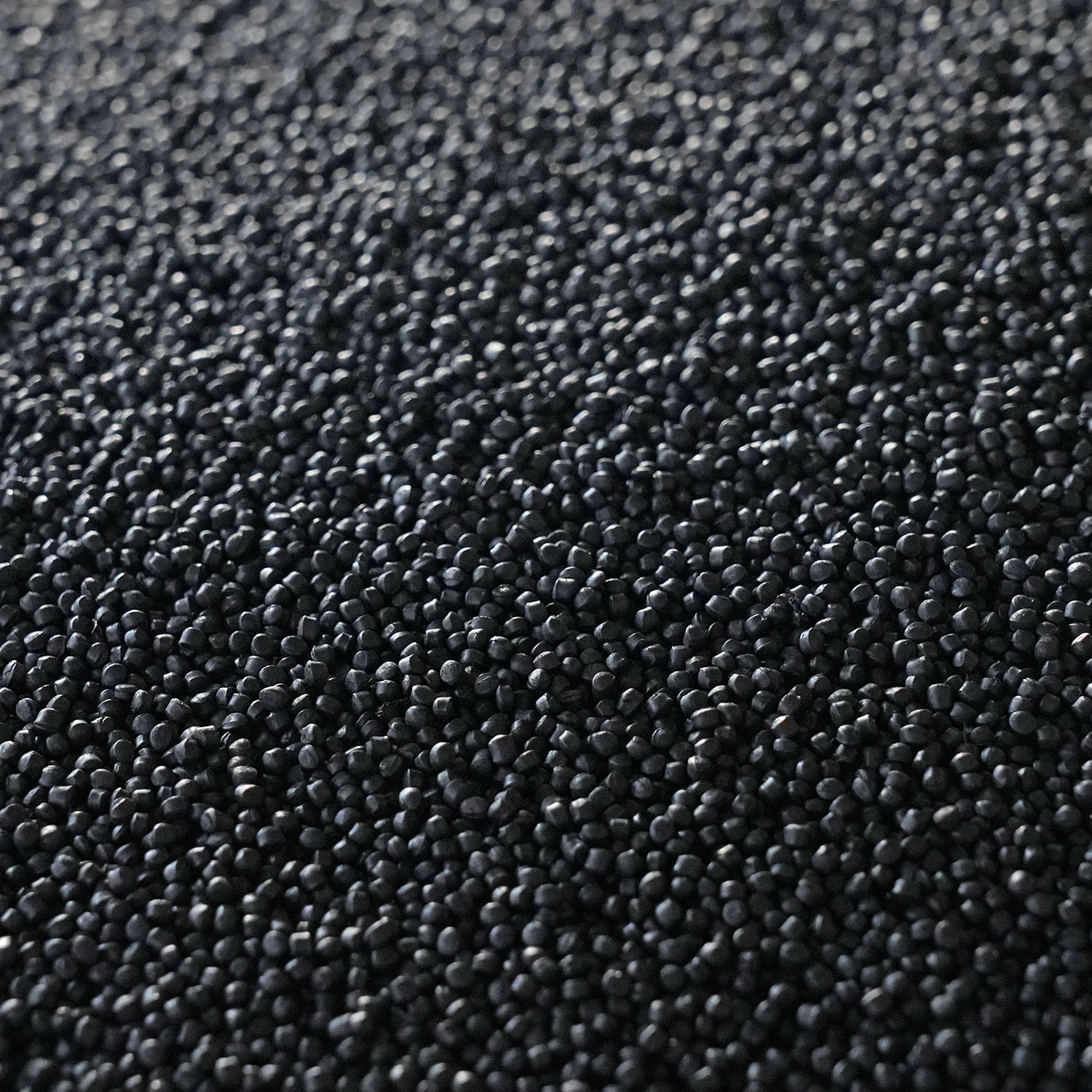
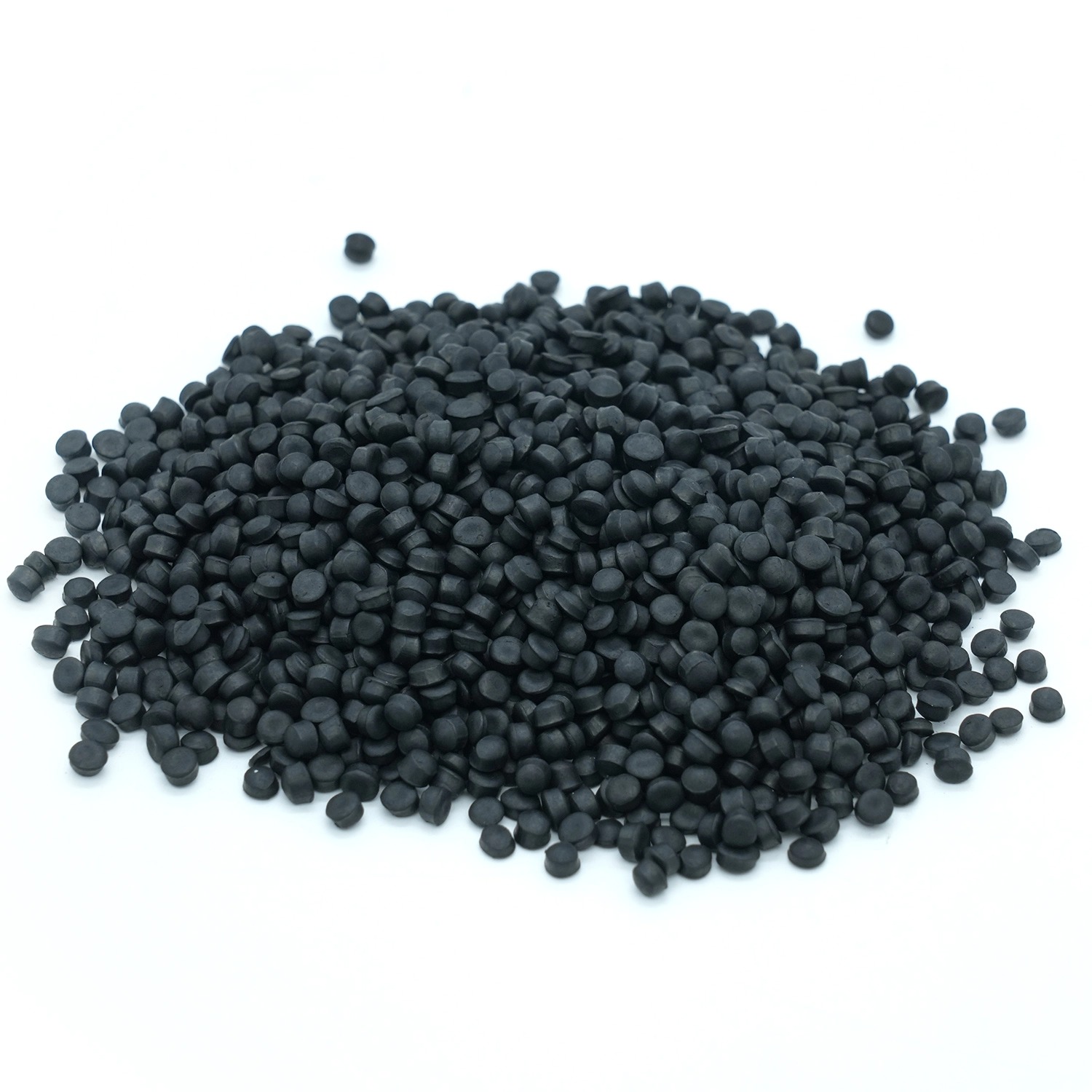
Shielding compound material refers to a specially formulated polymer-based substance designed to block or attenuate unwanted electromagnetic signals. Its primary function is to prevent EMI and RFI from compromising the performance or safety of electronic devices. These compounds are widely used in cables, connectors, enclosures, and even automotive and aerospace electronic systems.
Core Components of Shielding Compounds
A typical shielding compound material comprises the following key components:
Polymeric Matrix: Often based on polyethylene or other thermoplastics, it serves as the binding structure.
Conductive Fillers: These may include carbon black, metallic powders (like copper or aluminum), or carbon nanotubes to ensure electromagnetic shielding.
Additives and Stabilizers: Flame retardants, UV stabilizers, or anti-aging agents are added to improve durability and meet safety standards.
These compounds are designed to be thermally stable, chemically resistant, and mechanically robust, making them suitable for a wide range of industrial applications.

How Does Shielding Compound Material Work?
The functionality of shielding compound materials lies in their ability to reflect, absorb, and dissipate electromagnetic waves. When integrated into cable jackets or enclosures, the compound creates a conductive barrier that limits EMI propagation and reduces signal loss.
Mechanisms of Shielding Action
Shielding compound materials operate on three fundamental principles:
Reflection – The conductive surface of the material reflects incident electromagnetic waves.
Absorption – The filler components within the material absorb part of the EMI energy, converting it into heat.
Multiple Reflections – Internal interfaces within the compound cause repeated reflections, further weakening the interference.
The effectiveness of these materials is quantified by their Shielding Effectiveness (SE), typically measured in decibels (dB). The higher the SE, the better the compound's performance in attenuating unwanted frequencies.
Applications of Shielding Compound Materials in Modern Industries
The importance of shielding compound materials extends far beyond cable manufacturing. They are now critical components in automotive, aerospace, telecommunications, medical devices, and consumer electronics.
Cable Shielding
In high-performance cables, shielding compounds are used in inner layers to suppress crosstalk and EMI. For instance, in coaxial and data transmission cables, these compounds provide an electrically conductive barrier while maintaining flexibility and mechanical strength.
Electronic Device Housings
EMI shielding compounds are increasingly being injected or molded into device enclosures, particularly in sensitive environments like hospitals, aircraft, or industrial automation systems. These materials help prevent internal components from emitting or being exposed to harmful EMI.
Automotive Electronics
In the age of electric vehicles (EVs) and autonomous driving, electromagnetic compatibility (EMC) is crucial. Shielding compound materials protect communication between critical systems like ADAS (Advanced Driver Assistance Systems), GPS modules, and onboard computers.
Advantages of Shielding Compound Material Over Traditional Shielding Methods
While metal foils, braids, and metalized films have traditionally been used for shielding, shielding compound materials offer several advantages that make them ideal for modern electronics.
| Parameter | Traditional Shielding (Metal Foil, Braid) | Shielding Compound Material |
| Weight | Heavy | Lightweight |
| Flexibility | Low | High |
| Processability | Requires manual assembly | Compatible with extrusion/injection molding |
| Environmental Resistance | May corrode or oxidize | Chemically stable |
| Cost-Effectiveness | High long-term costs | Lower total cost of ownership |
These benefits make shielding compounds the preferred choice for mass production, automated processing, and design versatility.
Key Performance Characteristics and Testing Standards
To ensure the reliability of shielding compound materials in critical applications, they must pass a series of performance tests. These include both electrical and physical evaluations.
Electrical and Shielding Properties
The most critical performance metric is shielding effectiveness (SE), often tested using the IEEE 299 or ASTM D4935 standard methods. For cable applications, compliance with UL 1581 and IEC 61000-4-2 is also vital.
Other electrical properties include:
Surface Resistivity: Lower resistivity indicates better conductivity.
Volume Resistivity: Important for ensuring continuous conductivity across material volume.
Dielectric Strength: Determines insulation performance under high voltage.
Physical Properties
Besides electrical properties, shielding compound materials are tested for:
Tensile Strength: To ensure mechanical durability during installation and use.
Elongation at Break: Reflects flexibility.
Thermal Stability: Indicates resistance to high operating temperatures.
Aging Resistance: Assesses long-term performance under UV, moisture, and thermal cycles.
Manufacturers typically formulate compounds to meet stringent RoHS, REACH, and UL94 standards for safety and environmental compliance.

FAQ: Frequently Asked Questions About Shielding Compound Materials
To help clarify common concerns about shielding compounds, here’s a quick FAQ section addressing practical inquiries.
What makes shielding compound materials conductive?
Conductive fillers like carbon black, copper powder, or carbon nanotubes are embedded within the polymer matrix to create a network of conductive pathways that block EMI.
Are shielding compounds flame-retardant?
Yes, most commercial shielding compound materials are designed with flame-retardant additives to meet fire safety regulations, such as UL94 V-0 classification.
Can shielding compound materials replace metallic shielding entirely?
In many applications, yes. Especially in cable jackets and molded enclosures, shielding compounds provide equivalent or better EMI performance with added benefits like flexibility and corrosion resistance.
How do I choose the right shielding compound material?
Consider the application environment, operating temperature, shielding effectiveness required, and processing method (e.g., extrusion or injection molding). Always review the material datasheet and consult with the manufacturer for custom solutions.
Are there environmental concerns associated with shielding compounds?
Modern shielding compounds are formulated to comply with RoHS and REACH directives, ensuring low toxicity and minimal environmental impact. However, responsible disposal and recycling are recommended.
Future Trends and Innovations in Shielding Compound Technology
The rise of 5G communication, autonomous vehicles, IoT, and wearable electronics is reshaping the demand for advanced shielding materials. Several innovations are currently under development to meet the growing performance requirements:
Nanotechnology-Enabled Shielding Compounds
Incorporating graphene and carbon nanotubes significantly boosts conductivity while reducing filler content, maintaining flexibility and lightweight characteristics.
Smart Shielding Compounds
New materials are being engineered with adaptive shielding capabilities, allowing them to modulate EMI protection in real time based on frequency and intensity.
Sustainable Shielding Materials
Biodegradable or eco-friendly polymers combined with conductive additives are gaining attention in response to the electronics industry's push for sustainability.
As these technologies mature, shielding compound materials will play a central role in enabling safer, faster, and more reliable electronic systems.
Conclusion
Shielding compound materials may not be visible in the final design of electronic products, but their importance cannot be overstated. From ensuring EMC in automotive systems to enabling safe operation of medical devices, they form the backbone of modern electrical integrity. With the evolving complexity of electronic environments, investing in high-performance shielding compounds is no longer optional—it is essential.
By understanding their structure, function, and selection criteria, engineers and OEMs can make informed decisions that directly impact product safety, performance, and compliance.