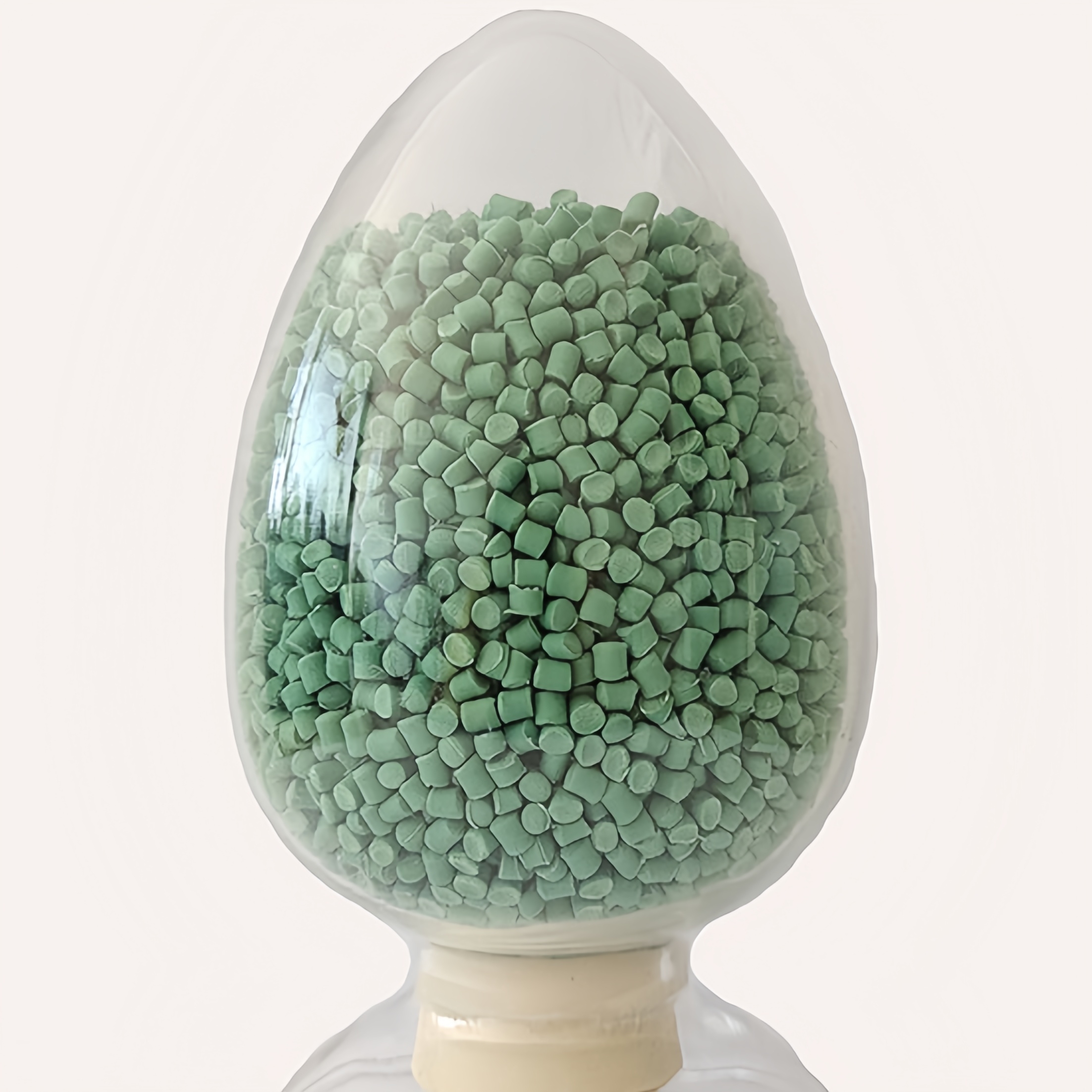
In low-voltage applications under 1kV, high flexibility remains non-negotiable. Industrial automation, robotics, and consumer electronics depend heavily on durable cable construction. Insulation material directly dictates both cable lifespan and system reliability in these demanding environments. When cables fail, operations stop entirely. You must choose materials carefully to ensure uninterrupted performance.
Thermosetting plastics like XLPE certainly dominate high-voltage power distribution networks. However, Thermoplastic Insulation Compounds have rapidly become the standard for flexible low-voltage cables. They provide superior processing efficiency, exceptional mechanical versatility, and excellent recyclability. Manufacturers prefer them for their ability to streamline production cycles.
Selecting the right thermoplastic compound requires balancing flex-life requirements, environmental exposures, and compliance mandates against lifecycle performance. This guide provides a clear framework for evaluating these materials. You will learn how to specify the exact formulation needed for your specific application. Proper specification prevents premature field failures and ensures long-term operational stability.
Key Takeaways
Thermoplastic insulation compounds offer superior processing speeds and recyclability compared to traditional thermoset materials, driving down unit costs for low-voltage applications.
Material selection must be driven by application-specific mechanical requirements, particularly dynamic flex life and minimum bend radius.
Over-specifying (e.g., defaulting to TPU when advanced PVC suffices) unnecessarily inflates costs, while under-specifying leads to premature field failures via environmental stress cracking or plasticizer migration.
Vendor evaluation should prioritize compound lot traceability, compliance documentation (RoHS, REACH, UL), and custom formulation capabilities.
The Business and Technical Case for Thermoplastics in Low-Voltage Cables
Engineers frequently face the challenge of sourcing reliable cables. These cables must withstand continuous motion without driving up manufacturing times or material waste. Traditional material choices often complicate the production cycle. They require extensive curing times and specialized handling. Thermoplastic materials solve many of these engineering hurdles effectively. They offer a streamlined approach to cable design and manufacturing.
The processing advantages of thermoplastics stand out immediately. Thermoplastics melt and remold easily. Manufacturers achieve rapid extrusion speeds on the factory floor. Production facilities consume less energy during the manufacturing process. They eliminate cross-linking wait times entirely. You get faster output and higher overall production efficiency. This rapid processing translates to shorter lead times for specialized cable runs.
Sustainability targets also heavily influence material selection today. Thermoplastics remain highly recyclable at their end-of-life stage. Unlike thermosets, you can reprocess and reuse the scrap material safely. This recyclability supports corporate sustainability targets directly. Many modern facilities now mandate circular material lifecycles. Thermoplastics fit perfectly into these environmentally conscious frameworks.
We must also acknowledge specific material limitations for context. Thermoplastics generally have lower maximum operating temperatures than cross-linked thermosets. They will soften if exposed to extreme, sustained heat. This characteristic makes them strictly suited for low-voltage environments. You must use them in controlled-temperature applications. They excel under 1kV but fail under high-voltage thermal stress.
Polyvinyl Chloride serves as the baseline industry standard. It remains highly effective and inherently flame-retardant. The material provides excellent electrical insulation properties for basic needs. Manufacturers produce thousands of miles of PVC cable daily. It represents the most common thermoplastic used globally.
This compound works best for static or moderate-flex applications. It serves general-purpose wiring exceptionally well. You will find it in standard household electronics and basic machine wiring. It handles simple installations where extreme motion remains minimal.
However, PVC presents several notable trade-offs. Standard PVC relies heavily on plasticizers for its flexibility. These chemical additives can migrate out of the material over time. The cable will harden significantly in cold temperatures. Furthermore, standard PVC contains halogens. This chemical makeup renders it strictly unsuitable for confined spaces where fire safety matters.
Thermoplastic Elastomers (TPE & TPR)
Thermoplastic Elastomers bridge the gap between rubber and plastic. They offer excellent elasticity and impressive fatigue resistance. Manufacturers achieve this performance without the need for vulcanization. The material behaves like rubber but processes like plastic. This dual nature makes it highly versatile.
TPE stands out as the best choice for continuous-flex applications. Robotic arms and dynamic drag chains rely on TPE heavily. It handles millions of bending cycles without cracking. It works very well in harsh industrial environments. You see it frequently in modern automated assembly lines.
You must consider the trade-offs before specifying TPE. It requires a higher material investment than standard PVC. Additionally, certain aggressive solvents can degrade specific TPE blends. You must match the exact TPE alloy to the expected chemical exposure.
Thermoplastic Polyurethane (TPU)
Thermoplastic Polyurethane represents the premium tier of durability. It delivers exceptional abrasion, tear, and oil resistance. TPU survives physical punishment that destroys other plastics. It maintains its structural integrity even under severe mechanical stress. Engineers choose TPU when failure is not an option.
It performs best in severe industrial environments. Rugged outdoor consumer electronics rely on TPU heavily. Mining equipment and heavy construction machinery utilize TPU cables constantly. It easily withstands dragging across concrete and jagged rocks.
The trade-offs involve resource allocation and processing difficulty. TPU represents the highest material investment among standard thermoplastics. Extrusion processing can also present unique manufacturing challenges. It requires precise temperature control during the extrusion phase.
Low Smoke Zero Halogen (LSZH / LSOH) Thermoplastics
Manufacturers formulate LSZH primarily from polyethylene (PE) or polypropylene (PP). They load these base polymers heavily with mineral flame retardants. This unique composition prevents the release of toxic, corrosive gases during combustion. It prioritizes human safety over extreme flexibility.
These compounds perform best in mass transit and data centers. Confined spaces strictly require LSZH materials. Toxic gas emissions during a fire pose a critical life-safety risk. Passenger trains, submarines, and underground tunnels rely exclusively on LSZH insulation.
Thermoplastic Comparison Chart
Material Type
Flexibility Profile
Abrasion Resistance
Primary Application
Standard PVC
Moderate / Static
Low to Medium
General indoor wiring
TPE / TPR
High (Continuous)
Medium to High
Robotics, drag chains
TPU
High
Exceptional
Rugged industrial gear
LSZH
Low to Moderate
Low
Confined spaces, transit
Evaluation Dimensions: Specifying Materials for Outcomes
Mechanical Performance & Flexibility
You must evaluate continuous flex cycles carefully. Millions of dynamic cycles demand completely different materials than simple bend radius rules. A static bend only requires flexibility during the initial installation. Dynamic motion requires the material to stretch and recover endlessly. You must specify whether the cable faces torsional twisting or linear rolling motion. Each motion type stresses the polymer chains differently.
Abrasion resistance requires equal attention during the design phase. Assess the likelihood of the cable dragging against rough surfaces. Constant friction generates heat and physically wears away the insulation. This severe physical reality easily justifies a TPU or TPE selection. A weak jacket will expose the bare copper conductors rapidly, causing fatal short circuits.
Environmental and Chemical Resistance
Confirm the continuous operating temperature limits immediately. You must also check the brittle point for cold bend performance. A cable that operates perfectly at room temperature might shatter in sub-zero environments. Thermal degradation breaks down the polymer structure over time. You need a material formulated for your specific climate extremes.
Map out all potential chemical exposure risks comprehensively. Oils, machine coolants, UV radiation, and cleaning solvents exist in many end-use environments. Some cleaning chemicals dissolve standard plastics upon contact. You must identify every fluid the cable might encounter. This proactive mapping prevents sudden structural failures in the field.
Environmental Assessment Table
Environmental Hazard
Potential Material Impact
Recommended Material Attribute
Sub-zero Temperatures
Shattering, brittle cracking
Low-temperature flexibility (TPE)
Industrial Coolants
Swelling, loss of tensile strength
High oil resistance (TPU)
Direct Sunlight (UV)
Chalking, surface degradation
UV-stabilized formulations
Regulatory Compliance and Safety
Fire performance dictates material legality in many jurisdictions. You must meet specific UL 94 ratings for flammability. VW-1 or IEC flame tests often apply to flexible cables. These standardized tests prove the material will self-extinguish when a flame is removed. You cannot install non-compliant materials in commercial structures.
Ensure strict adherence to RoHS, REACH, and regional environmental mandates. These global standards heavily restrict hazardous substances like lead and specific phthalates. Toxic chemical usage creates massive liability issues. Verify that your chosen compound meets all regional toxicity laws before beginning mass production.
Implementation Realities and Common Specification Risks
Engineering theory often collides with manufacturing reality. You must anticipate how these compounds behave over years of physical use. Minor specification errors often lead to massive field recalls. Avoiding these common traps requires a deep understanding of polymer chemistry and applied mechanics.
Plasticizer Migration in PVC: Cables often stiffen over time. They can degrade adjacent plastics like polycarbonate housings due to chemical leaching. The plasticizer actually migrates out of the cable and melts the nearby plastic. Mitigation requires specifying non-migratory polymeric plasticizers from the very beginning.
Environmental Stress Cracking (ESC): Insulation failure happens when exposed to specific chemicals under physical stress. The chemical alone might not harm the plastic. The stress alone might not break it. However, the combination causes rapid, catastrophic cracking. You need precise compound matching to the exact chemical environment.
Over-Engineering Inefficiencies: Defaulting to premium materials like TPU for static applications wastes resources. An advanced, cold-weather PVC formulation might perform equally well in that exact scenario. Do not allocate premium materials to applications that simply do not require them.
Extrusion Tooling Compatibility: Shifting from standard PVC to highly filled LSZH compounds requires major tooling adjustments. The mineral fillers change the melt viscosity drastically. It may slow down the manufacturer's extrusion line significantly. This physical reality potentially affects your final lead times.
Shortlisting Logic and Next-Step Actions for Procurement
Document the exact operating envelope before contacting manufacturers. Record the precise temperature extremes the cable will face. Log the anticipated dynamic flex cycles accurately. Detail every single chemical exposure risk present in the facility. Providing this accurate data allows vendors to recommend the optimal polymer formulation.
Determine if a standard off-the-shelf compound meets your requirements. Standard blends often resolve general industrial needs efficiently. However, sometimes a custom-blended thermoplastic becomes absolutely necessary. A specific TPE alloy might be required for a highly specialized robotic application. Balance the need for customization against lead time realities.
Use a rigorous validation process when selecting material partners. Not all compounders maintain the same quality control standards.
Do they provide full batch-to-batch lot traceability for every shipment?
Can they supply independent lab testing reports for flex-life and fire ratings?
Do they offer prototyping support to help you validate the design?
Can they deliver sample spools for extensive mechanical testing?
Your immediate next action involves initiating physical material testing. Secure prototype lengths from your shortlisted vendors. Run these samples in a fully simulated end-use environment. Never commit to high-volume production until the material survives physical prototype testing.
Conclusion
Thermoplastic insulation compounds provide essential agility and mechanical performance for modern flexible low-voltage cables. They allow manufacturers to achieve rapid processing speeds while meeting strict environmental sustainability goals. Proper material selection ensures cables survive constant motion, harsh chemicals, and extreme temperatures without failure.
Successful specification requires evaluating the total system lifecycle carefully. You must look beyond basic material availability. Balance dynamic flex demands, complex environmental hazards, and strict global compliance needs. Take the time to test prototypes thoroughly. A well-specified thermoplastic compound guarantees long-term operational reliability in your most demanding applications.
FAQ
Q: What is the main difference between thermoplastic and thermoset insulation?
A: Thermoplastics can be melted and reshaped repeatedly. This characteristic makes them much easier to process and recycle. Thermosets undergo a permanent chemical cross-linking process during curing. This makes thermosets permanently rigid and more resistant to extreme high temperatures, but significantly harder to recycle.
Q: Are thermoplastic insulation compounds suitable for outdoor use?
A: Yes, provided they are specifically formulated for outdoor environments. Compounds like TPE and TPU inherently resist weathering. You can also use standard PVC blended with specialized UV stabilizers and anti-oxidants. These additives offer excellent long-term weatherability and UV resistance against direct sunlight.
Q: Why choose TPE over standard PVC for robotic cables?
A: TPE offers significantly higher dynamic flex life and better elasticity. It handles millions of bending cycles effortlessly. It also retains its flexibility at much lower temperatures. Unlike standard PVC, TPE does not rely on liquid plasticizers that can migrate or degrade over time.
Q: Can thermoplastic insulation be used in high-voltage applications?
A: Generally, no. While some engineered thermoplastics are improving steadily, they have thermal limits. Thermosets like XLPE or EPR remain the absolute standard for medium and high-voltage applications. Thermosets provide superior dielectric strength and maintain thermal stability under heavy, sustained electrical loads.