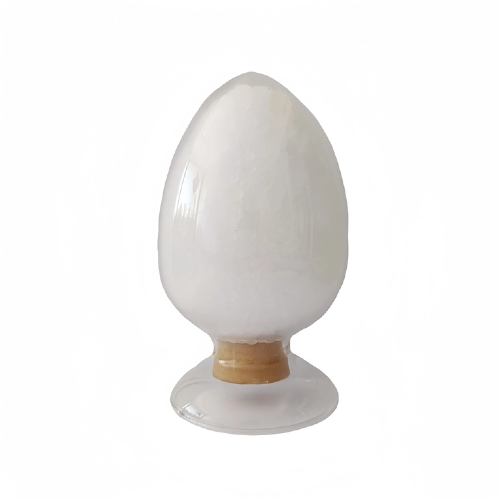
Polyethylene resin is one of the most widely used plastic materials in the world. It is a polymer made from ethylene, a hydrocarbon derived from petroleum and natural gas. In its most basic form, polyethylene can be categorized into low-density polyethylene (LDPE), high-density polyethylene (HDPE), and cross-linked polyethylene (XLPE). While each variant has its unique properties, high-quality polyethylene resin stands out due to its advanced formulation, making it ideal for high-performance applications, especially in the medical field.
In medical applications, the need for materials that are not only durable and flexible but also safe and reliable is crucial. High-quality polyethylene resin plays an essential role in ensuring that medical products such as surgical tools, implants, and medical packaging meet stringent regulatory standards and perform effectively in critical environments. This resin provides an excellent balance between chemical resistance, biocompatibility, and longevity, making it indispensable in the healthcare sector.
1. What is High-Quality Polyethylene Resin?
Polyethylene Resin Composition
High-quality polyethylene resin is a specialized grade of polyethylene produced using advanced polymerization techniques. It is formulated to ensure uniformity in molecular weight distribution and other critical parameters that affect its mechanical and electrical properties. The resin can be processed into various forms, such as pellets, films, and fibers, each suited for different medical applications.
The key to the high-quality nature of this resin lies in its controlled production process, which involves the following:
Advanced Polymerization Process: The resin is created through a controlled polymerization reaction, ensuring consistent molecular structure and improved performance characteristics.
Additives and Modifiers: High-quality polyethylene resins often contain specific additives that enhance their chemical resistance, strength, and biocompatibility. These additives include stabilizers, antioxidants, and water-tree retardants, which prevent degradation over time and improve the resin’s suitability for medical devices.
Manufacturing Process of High-Quality Polyethylene Resin
The manufacturing process for high-quality polyethylene resin involves several key steps that ensure the resin meets the required specifications:
Polymerization: The ethylene monomers are polymerized using advanced catalysts to control the polymer’s molecular weight and structure.
Additive Incorporation: Special additives are blended into the resin to enhance performance characteristics such as resistance to chemicals, moisture, and temperature fluctuations.
Extrusion and Pelletization: The polymerized resin is then extruded and pelletized into small, uniform pellets that are easy to handle and process.
2. Key Characteristics of High-Quality Polyethylene Resin
Durability and Chemical Resistance
High-quality polyethylene resin is renowned for its exceptional chemical resistance. This makes it an ideal choice for medical devices exposed to harsh environments, including exposure to body fluids, medications, and cleaning agents. The chemical stability of this resin ensures that medical products made from it will not degrade over time, maintaining the safety and efficacy of the device.
High-quality polyethylene resin offers:
Resistant to acids, bases, and organic solvents
Minimal degradation in aggressive environments
Resilience to temperature and pressure variations
This resistance is vital for medical products such as syringes, drug delivery systems, and intravenous (IV) tubing, which must withstand prolonged contact with different substances without compromising performance.
Biocompatibility
In the medical field, biocompatibility refers to the ability of a material to perform its intended function without causing any adverse reactions in the body. High-quality polyethylene resin is biocompatible, meaning it can be safely used in contact with human tissue and fluids without causing inflammation, toxicity, or other harmful effects.
This characteristic makes polyethylene resin essential in the production of:
By ensuring that medical devices are safe for long-term use in the human body, polyethylene resin enhances patient safety and device reliability.
Low Moisture Absorption
Another significant advantage of high-quality polyethylene resin is its low moisture absorption rate. Medical devices made from polyethylene resin are not only durable but also resistant to moisture, which can cause many materials to weaken or degrade over time. This is particularly important for medical devices that are used in high-humidity environments or need to retain their integrity during long-term storage.
Flexibility and Strength
High-quality polyethylene resin is engineered to offer both flexibility and strength. This combination is crucial for medical devices that need to endure repetitive stress, such as catheters, surgical tools, and tubing. The resin is flexible enough to be molded into complex shapes while maintaining strength to resist deformation or breakage under pressure.
![high-quality polyethylene resin]()
3. Common Medical Applications of High-Quality Polyethylene Resin
Medical Packaging and Containers
One of the most common uses of high-quality polyethylene resin in the medical field is in medical packaging. The resin’s chemical resistance and biocompatibility ensure that it can safely contain medications, surgical instruments, and other medical products without risk of contamination. Polyethylene packaging is commonly used for:
Sterile packaging for syringes and bandages
Medication bottles and vials
IV bags and fluid containers
Medical Tubing
Medical tubing is essential for a wide range of applications, from intravenous lines to catheters. High-quality polyethylene resin is a preferred material because it provides the necessary flexibility, strength, and chemical resistance. The resin ensures that medical tubing maintains its integrity during prolonged use, even under pressure, and helps to prevent the risk of contamination.
Orthopedic Devices
High-quality polyethylene resin is also used in orthopedic devices, including joint replacements and prosthetics. For example, polyethylene is often used for the liner in hip and knee replacements due to its wear resistance, strength, and ability to withstand repeated stresses and strains.
Implants and Surgical Tools
Polyethylene resin’s properties make it a suitable material for use in various implants and surgical tools. Its biocompatibility, strength, and flexibility enable it to be used in everything from spinal implants to dental tools, ensuring both performance and patient safety.
4. Advantages of High-Quality Polyethylene Resin in Medical Devices
Advantage | Explanation |
Long-Term Durability | Resilient to wear, tear, and environmental factors, extending the life of medical devices. |
Cost-Effectiveness | Easily processed into large volumes, making it suitable for mass production of medical devices. |
Improved Patient Safety | Biocompatible and resistant to chemical interactions, ensuring patient safety during use. |
Moisture and Chemical Resistance | Minimizes degradation due to exposure to bodily fluids, medications, and cleaning agents. |
These advantages ensure that high-quality polyethylene resin is the material of choice for many critical medical devices. Its ability to deliver consistent performance over time contributes to better patient outcomes and fewer product failures.
5. Regulatory Standards and Quality Assurance
Compliance with Medical Device Regulations
High-quality polyethylene resin complies with various international standards to ensure its suitability for medical use. These include FDA approvals, ISO standards, and European Union regulations, which certify that the material is safe for use in medical devices and can be safely sterilized.
Quality Assurance Measures
Manufacturers of medical devices using polyethylene resin follow rigorous quality control procedures to ensure the material meets the necessary performance standards. This involves:
Batch testing for physical and chemical properties
Regular audits to confirm compliance with medical regulations
Sterility testing for packaging materials
6. The Future of High-Quality Polyethylene Resin in Medical Applications
Innovations in Material Technology
Ongoing research and development in the field of polyethylene resin are leading to the creation of even more specialized formulations that offer better performance, longer lifespans, and enhanced safety features. Future innovations may focus on developing resins that are even more biocompatible, sustainable, and cost-effective, expanding the possibilities of their use in medical applications.
Sustainability and Eco-Friendly Alternatives
With increasing demand for environmentally sustainable materials, the industry is focusing on producing recyclable polyethylene resins. The goal is to reduce the environmental impact of medical device production while maintaining the high performance required for healthcare applications.
7. Conclusion
High-quality polyethylene resin plays a pivotal role in the production of medical devices, ranging from packaging to implants. Its exceptional properties—such as durability, biocompatibility, and low moisture absorption—ensure the safety, reliability, and long lifespan of healthcare products. As the demand for more advanced and cost-effective medical solutions grows, the importance of high-quality polyethylene resin in medical applications will continue to expand.
At Nanjing Zhongchao New Materials Co., Ltd., we are committed to advancing the performance of high-quality polyethylene resin through ongoing research and innovation. We focus on enhancing biocompatibility, improving recyclability, and optimizing manufacturing efficiencies to support the evolving needs of the medical industry.
If you are seeking a reliable partner for high-quality polyethylene resin solutions for your medical applications, we encourage you to contact us to learn more about how we can support your success.
8. FAQs
1. What is the difference between standard polyethylene and high-quality polyethylene resin?
High-quality polyethylene resin undergoes a specialized manufacturing process to enhance its chemical resistance, biocompatibility, and overall durability, making it more suitable for medical applications.
2. Is polyethylene resin safe for medical use?
Yes, high-quality polyethylene resin is biocompatible and complies with regulatory standards such as FDA and ISO certifications, making it safe for use in medical products.
3. What are the main medical applications of polyethylene resin?
Polyethylene resin is commonly used in medical packaging, tubing, orthopedic devices, implants, and surgical tools, providing essential properties like flexibility, durability, and safety.
4. Why is polyethylene resin important for medical implants?
Polyethylene resin’s wear resistance, biocompatibility, and strength make it ideal for implants, ensuring long-term performance without degradation.
5. How does high-quality polyethylene resin ensure medical device safety?
Its low moisture absorption, chemical resistance, and biocompatibility make it an ideal material to prevent contamination and ensure the safety and effectiveness of medical devices.


