When it comes to ensuring the reliability and performance of electrical and communication cables, one of the most important factors to consider is the shielding material. Shielding materials serve as protective barriers that prevent electromagnetic interference (EMI), radio frequency interference (RFI), and other external disturbances from affecting the cables' signals. Without effective shielding, cables can suffer from signal degradation, data corruption, and even safety hazards. Therefore, choosing the right shielding material is crucial for the success of any cable-based application.
This article will help you navigate the different types of shielding materials available, compare their characteristics, and provide guidance on selecting the best material for your specific cable needs. Whether you're dealing with power cables, communication cables, or specialized cables for industrial, medical, or military applications, understanding the differences between shielding options is key to making an informed choice.
What Is Cable Shielding and Why Is It Important?
Cable shielding is the process of applying a protective layer around a cable's conductor to block external electrical interference. In electrical cables, this interference can come from power lines, electrical equipment, or environmental factors. In communication cables, interference could stem from radio signals, neighboring cables, or even nearby electronic devices.
The role of shielding is to prevent these external signals from entering the cable and disrupting the signal or power transmission. Shielding materials also help prevent the leakage of the cable's signals, which could interfere with surrounding devices or systems.
In summary, shielding materials serve two key functions:
1. Protecting the Signal: Shielding ensures that the signal being transmitted through the cable remains clear and unaffected by external interference.
2. Preventing External Interference: It helps keep any unwanted noise or interference from entering the cable and affecting the devices that rely on it.
Types of Shielding Materials
Different shielding materials offer varying levels of protection and have specific advantages depending on the application. In this section, we will compare some of the most commonly used materials for shielding, including metal-based, polymer-based, and composite materials. Each type has unique characteristics that make them more or less suitable for specific uses.
1. Metallic Shielding Materials
Metals are commonly used in cable shielding because of their excellent conductivity and ability to block electromagnetic interference effectively. Let's look at some of the most popular metallic shielding materials:
Copper: Copper is the most widely used metal for cable shielding. It provides excellent protection against both EMI and RFI due to its high conductivity. Copper shields are typically applied as a braided mesh or as a solid foil around the cable conductor. Copper is especially effective in communication cables, such as coaxial cables, where signal clarity is crucial. However, copper is relatively expensive compared to other materials and can be heavy.
Aluminum: Aluminum is lightweight, cost-effective, and offers good EMI shielding performance. It is often used in applications where weight is a concern, such as in mobile devices, or in larger-scale communication systems like antenna cables. Aluminum foil shielding is commonly used in Ethernet cables and other types of data cables. While aluminum is effective for lower-frequency signals, it may not provide as much shielding at higher frequencies compared to copper.
Steel: Steel is often used for shielding in cables that need to withstand physical stresses or where mechanical strength is a priority. It offers strong protection against EMI and can also be resistant to corrosion. Steel shields are common in industrial cables, military cables, and high-voltage power cables. Steel's primary drawback is that it is heavier and more rigid than copper or aluminum, which may limit its use in flexible cables.
Nickel: Nickel-coated copper wires are sometimes used for shielding due to their excellent corrosion resistance and ability to provide good EMI protection. Nickel shielding is typically found in high-end applications where durability and resistance to harsh environmental conditions are crucial.
2. Polymeric and Semi-Conductive Shielding Materials
In addition to metals, polymers and composites are often used for shielding in certain applications, particularly when flexibility, ease of molding, or lower cost is a consideration. Semi-conductive shielding materials are commonly used in power cables or for environments where electrical insulation properties are needed.
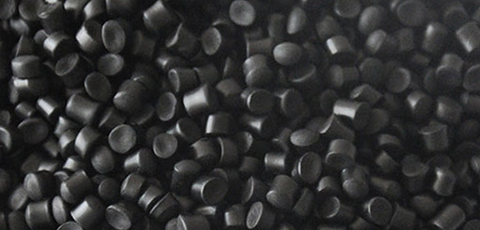
Peroxide Crosslinking Semi-Conductive Shielding Material: This material is typically used in power cables to provide effective shielding from external interference while offering enhanced thermal stability. Peroxide crosslinking semi-conductive materials are particularly useful in high-temperature applications. They are known for their excellent mechanical strength, which makes them suitable for long-term and demanding environments, such as industrial power distribution systems. This material is often employed in applications where both mechanical and electrical properties need to be optimized.
Thermoplastic Semi-Conductive Shielding Materials: These materials, such as silane-crosslinked cables and polypropylene shielding compounds, are flexible, lightweight, and easy to process. They provide good EMI protection and are commonly used in communication cables or situations that require intricate cable designs. Thermoplastic materials are especially valuable for flexible cables and those used in environments with moderate electrical interference.
Polyethylene and PVC: Polyethylene and polyvinyl chloride (PVC) are also commonly used as shielding materials, especially in cables designed for specific radiation types (e.g., neutrons) or applications that don't involve extremely high frequencies. These materials are inexpensive and easy to manufacture, making them suitable for consumer-grade cables and low-cost electrical wiring.
3. Composite Shielding Materials
Composite shielding materials combine various substances to enhance the overall shielding effectiveness, often blending the best properties of metal and polymer materials. These materials are typically used in high-performance or specialized cables, where a high level of protection is required.
Copper-Polymer Composites: These composites combine the conductivity of copper with the durability and flexibility of polymers. They are often used in situations where the cable needs to remain flexible, yet still offer high levels of protection from electromagnetic interference.
Aluminum-Layered Composite Shields: By combining aluminum with other materials, manufacturers can create a lightweight yet highly effective shielding solution. These composites are often used in data transmission cables, where the shielding must be thin but still strong enough to provide effective protection from RFI and EMI.
4. Conductive Foams and Fabrics
For certain applications, conductive foams or fabrics may be used as shielding materials. These options are less common than metal or polymer shields, but they offer flexibility and can be used in specific environments. They are often used in applications that require electromagnetic compatibility (EMC) and grounding, as they can absorb or reflect EMI while still being lightweight and flexible.
How to Choose the Right Shielding Material
When choosing a shielding material for a cable, there are several factors to consider. The right material will depend on the specific application, environmental factors, and cost considerations. Here are the key factors to keep in mind:
1. Type of Interference
Different shielding materials are more effective at blocking different types of interference. For example, copper is highly effective at blocking both low and high-frequency EMI and RFI, making it a good choice for communication cables. Steel, on the other hand, may be better suited for applications where protection from low-frequency magnetic fields is important.
2. Cable Flexibility
If the cable needs to be flexible, lightweight materials like thermoplastic semi-conductive shielding or aluminum foil may be the best options. For more rigid applications, such as industrial power cables, metal shields like steel or copper may be preferred.
3. Durability Requirements
If the cable is being used in harsh or outdoor environments, durability will be a key consideration. Steel and nickel provide excellent resistance to wear, corrosion, and environmental factors. For industrial or military applications, using a material like steel might be more appropriate, whereas copper is often used in commercial and data cables.
4. Frequency Range
The frequency range of the signals being transmitted through the cable will influence the choice of shielding material. Copper and aluminum are both effective at blocking high-frequency RFI and EMI, but copper is generally more effective across a broader frequency range. If high-frequency performance is critical, copper is typically the better choice.
5. Cost
Cost is always a factor to consider. While copper provides the best overall shielding performance, it is also the most expensive. For applications where cost is a major concern, materials like aluminum or PVC may be more appropriate, as they still provide adequate shielding but at a lower price point.
Conclusion
In conclusion, selecting the right shielding material for your cables is essential to ensuring the reliability, performance, and safety of your systems. Whether protecting data signals in communication cables, ensuring consistent power flow in electrical cables, or meeting the specific needs of industrial or military applications, there is a range of shielding materials available. By considering factors such as the type of interference, flexibility requirements, environmental conditions, and budget, you can choose the optimal shielding solution for your needs.
Investing in high-quality shielding materials will not only improve the performance and longevity of your cables but also enhance the overall functionality of the systems that depend on them, ensuring safe and uninterrupted operation for years to come. For more information on high-performance shielding materials, visit Nanjing Zhongchao New Materials Co., Ltd., a trusted leader in this field.


