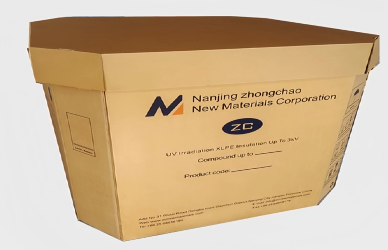
XLPE insulation particles are derived from cross-linked polyethylene (XLPE), a material known for its exceptional thermal resistance, electrical performance, and mechanical strength. These properties make XLPE an ideal choice for high-performance applications in cables, offering superior protection against electrical leakage, high temperatures, and mechanical stress. However, there is a common concern regarding the performance of XLPE insulation in low-temperature environments. Some believe that XLPE may become brittle and lose its flexibility in extreme cold, potentially compromising its durability and cable performance. The purpose of this article is to explore the effectiveness of XLPE insulation particles in low-temperature conditions, addressing these concerns and providing insights into how XLPE performs in cold environments.
XLPE Insulation Particles and Low-Temperature Performance
1.Thermal Resistance of XLPE
XLPE insulation is renowned for its exceptional thermal resistance, making it suitable for a wide range of temperature conditions.
Typical Operating Temperatures: XLPE can withstand continuous temperatures up to 90°C and handle short-term peaks up to 250°C. This makes it ideal for high-voltage and high-temperature applications where stability and performance under heat are critical.
Extreme Temperature Ranges: While XLPE is designed for high-temperature resilience, its thermal stability does not necessarily extend to extremely low temperatures. However, XLPE can maintain reliable insulation properties within a broad range of moderate to high temperatures.
2.Low-Temperature Flexibility
One of the concerns with XLPE insulation is its ability to maintain flexibility in cold conditions.
Cold Performance: XLPE insulation generally retains its flexibility down to low temperatures, but at extremely cold conditions (typically below -20°C), the material may begin to experience a decrease in ductility.
Flexibility Retention: While XLPE remains relatively flexible in moderate cold, extended exposure to very low temperatures may cause it to stiffen slightly, but it typically doesn't become as brittle as other materials like PVC.
3.Impact of Cold on Mechanical Properties
The mechanical properties of XLPE insulation can be affected by extreme cold, leading to potential issues.
Brittleness: At very low temperatures, XLPE may exhibit increased brittleness, which reduces its ability to withstand mechanical stress, such as compression or impact. This can compromise its resilience and durability, particularly in applications that require flexibility or physical manipulation of cables in cold environments.
Impact on Cable Performance: As XLPE becomes more brittle in sub-zero temperatures, there is a risk of cracking or damage during installation or when subjected to mechanical stress in cold climates. This can lead to insulation failure and affect the overall performance of cables in low-temperature settings.
Challenges of Using XLPE in Cold Climates
1.Potential for Brittleness and Cracking
One of the primary challenges of using XLPE insulation in cold climates is its potential to become brittle when exposed to extremely low temperatures.
Brittleness: As the temperature drops, XLPE insulation becomes less flexible and more susceptible to cracking under mechanical stress. This is particularly true in environments where flexibility and movement are required, such as during installation or when cables are subjected to external pressure.
Durability Issues: In extreme cold, XLPE can lose its ability to withstand mechanical forces, such as bending, impact, or compression, leading to cracks or breaks in the insulation. This can significantly reduce its durability and long-term performance, potentially compromising the cable's insulation and leading to failure if not properly handled.
2.Thermal Shock Resistance
Another challenge for XLPE insulation in cold climates is its ability to resist thermal shock, especially during rapid temperature transitions.
Thermal Shock: When XLPE cables experience a sudden change from cold to hot (or vice versa), the material can undergo stress due to the rapid expansion and contraction of the polymer. This can lead to micro-cracks or structural weaknesses in the insulation, affecting the cable's ability to perform effectively.
Performance in Changing Conditions: XLPE insulation, although resistant to a wide range of temperatures, may face difficulties in environments with frequent temperature fluctuations. In such conditions, the insulation may lose some of its mechanical strength and flexibility, which could lead to failure or compromise the cable's integrity over time.

How to Improve XLPE Performance in Low-Temperature Conditions
1.Material Enhancements
To improve XLPE insulation's performance in cold environments, modifiers or specialized compounds can be added to enhance low-temperature flexibility and mechanical strength.
Low-Temperature Modifiers: Incorporating plasticizers, cross-linking agents, or other additives into the XLPE formulation can help maintain flexibility and prevent brittleness at lower temperatures. These enhancements allow XLPE to retain its mechanical properties, such as flexibility, impact resistance, and durability, even in extremely cold climates.
Specialized XLPE Compounds: Some manufacturers produce XLPE compounds specifically designed to improve performance in low-temperature applications. These compounds are engineered to handle cold stress without compromising electrical insulation properties or thermal resistance.
2.Proper Installation and Handling
Ensuring that XLPE cables are installed and handled correctly in cold climates can significantly improve their performance and longevity.
Cable Installation: When installing XLPE-insulated cables in cold environments, it is important to avoid bending or crushing the cables, as the material may become more brittle and susceptible to damage in extreme cold. Using proper installation techniques, such as gradual bending and ensuring the cable is not subjected to sharp angles, will prevent damage and maintain the cable's integrity.
Handling with Care: During transportation and installation, XLPE cables should be protected from exposure to extreme cold until they are placed in their final positions. Allowing cables to gradually acclimate to the installation environment can help prevent thermal shock and reduce the likelihood of cracking or brittleness.
3.Coatings and Protective Layers
Applying protective coatings to XLPE insulation can enhance its cold resistance and improve its performance in harsh climates.
Cold-Resistant Coatings: Using protective coatings, such as cold-resistant polymer layers, can shield XLPE cables from the effects of extreme cold. These coatings help maintain mechanical properties like flexibility and resilience by providing an additional layer of protection against thermal stress and brittleness.
Barrier Layers: Insulating barrier layers can also be applied to XLPE cables to provide extra thermal insulation and prevent the insulation from becoming too rigid in low temperatures. These protective layers can help maintain the performance and longevity of XLPE cables, especially in extreme cold environments where unprotected cables might fail prematurely.
Applications of XLPE Insulation in Low-Temperature Environments
1.Use in Arctic or Cold Regions
XLPE insulation is widely used in cold climates such as Arctic or offshore applications, where reliable performance in low temperatures is crucial.
Oil and Gas Industry: XLPE-insulated cables are used in offshore platforms and pipeline installations, where extreme cold and harsh conditions are common. XLPE’s durability and flexibility make it ideal for power and control cables in these environments.
Offshore Wind Farms: XLPE is used in subsea cables for offshore wind farms, as it can endure sub-zero temperatures and saltwater without degrading.
2.Industrial and Infrastructure Applications
XLPE insulation is also ideal for industrial and infrastructure applications in cold climates, ensuring reliable operation even in extreme conditions.
Cold Storage Facilities: In cold storage and freezer facilities, XLPE cables provide reliable insulation that can withstand below-freezing temperatures without performance loss.
Snowy Regions: XLPE is used in power distribution and communication cables in snowy regions, as it remains flexible and resilient in low temperatures.
Deep Underground Installations: XLPE insulation is well-suited for underground power systems and mining operations that experience cold and high pressure, offering long-term reliability.
FAQ Section
1.Does XLPE insulation become brittle in cold temperatures?
Yes, XLPE insulation can become more brittle in extremely low temperatures, especially below -20°C. While XLPE remains relatively flexible in moderate cold, it may lose some of its flexibility and ductility in extreme cold, becoming more prone to cracking or damage under mechanical stress. However, specially modified XLPE can improve its low-temperature performance.
2.How can XLPE insulation maintain its effectiveness in extremely cold environments?
XLPE insulation can be enhanced for cold environments by adding modifiers or using specialized XLPE compounds. These include plasticizers or cross-linking agents that maintain flexibility and mechanical strength in cold temperatures. These modifications help prevent brittleness and maintain reliable performance even in extreme cold.
3.Are there any specific low-temperature applications where XLPE insulation is particularly beneficial?
Yes, XLPE insulation is highly effective in cold climates and is commonly used in applications like:
Offshore cables that endure extreme cold and saltwater conditions.
Underground cables used in mining or subterranean power systems that experience both low temperatures and high pressure.
Cold storage facilities where cables need to function efficiently in freezer temperatures without degrading.
4.Can XLPE insulation be used in high-temperature and low-temperature applications simultaneously?
Yes, XLPE insulation is capable of handling both high-temperature and low-temperature conditions. It can withstand temperatures up to 90°C continuously and 250°C short-term, while still performing in cold climates. This makes XLPE ideal for cables exposed to both high and low temperatures, such as solar power systems and electric vehicle charging cables, where temperature fluctuations occur.
Conclusion
XLPE insulation particles offer significant advantages in both high-temperature and low-temperature applications. While they can become more brittle in extremely cold conditions, modifications and specialized compounds can enhance their performance, ensuring flexibility and durability even in harsh environments. XLPE’s ability to withstand extreme temperature ranges makes it a valuable choice for industries such as offshore energy, underground power systems, and cold storage facilities. Additionally, its capability to function in both high and low-temperature environments makes it ideal for applications like solar power systems and electric vehicle charging cables. By understanding the challenges and using the right enhancements, XLPE insulation can deliver reliable, long-lasting performance across a wide range of temperatures, making it an excellent choice for demanding applications in cold climates.